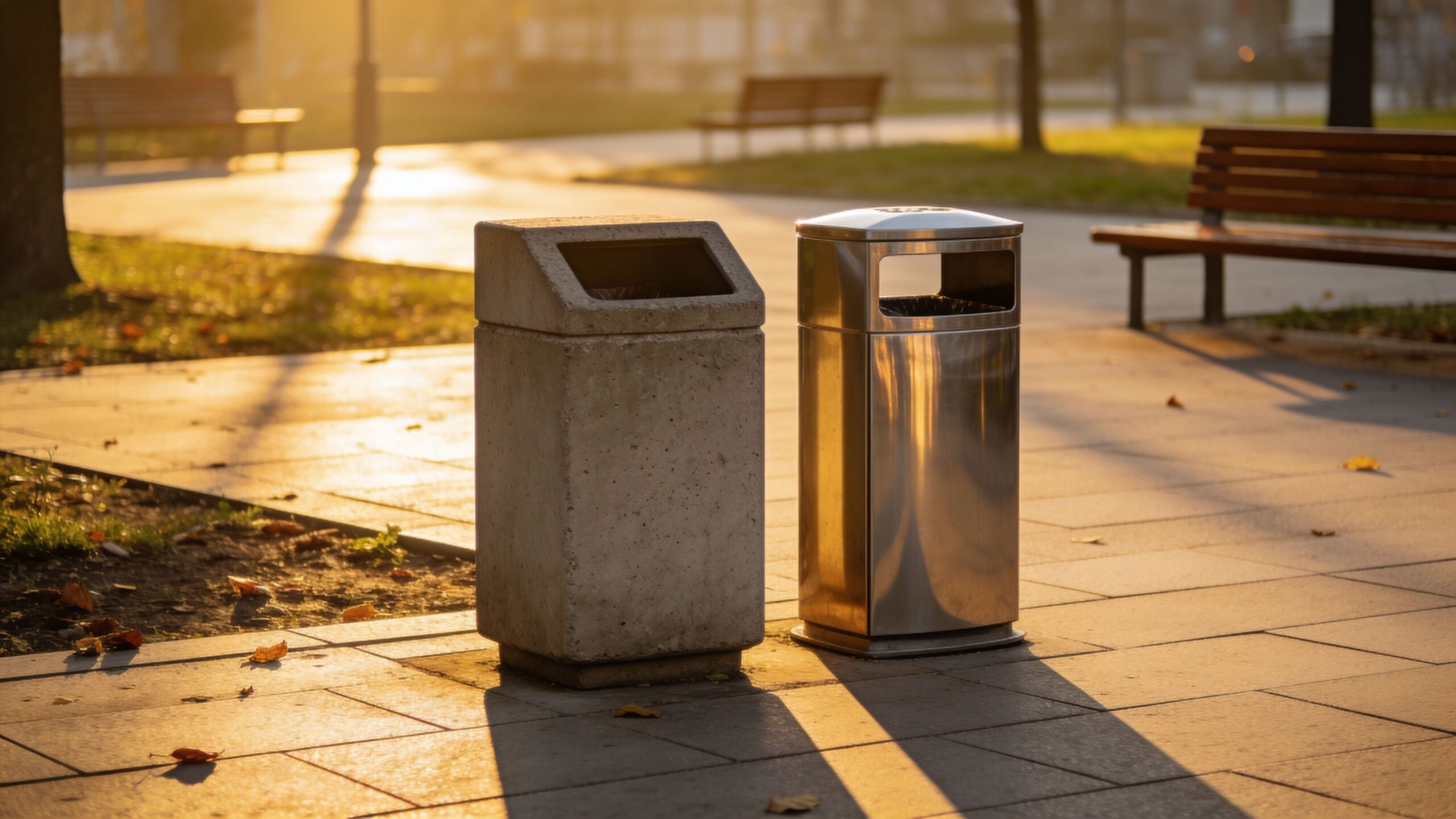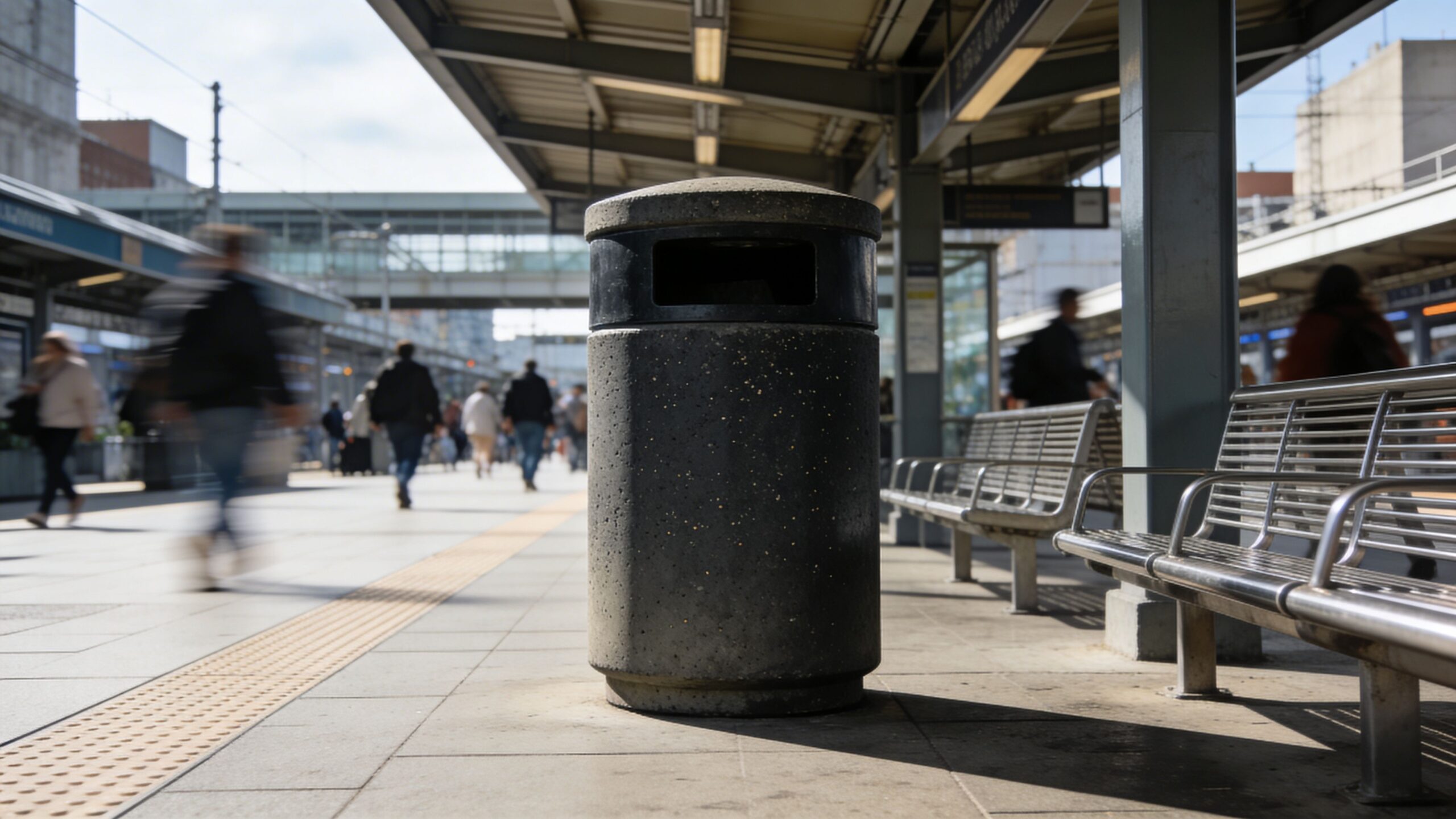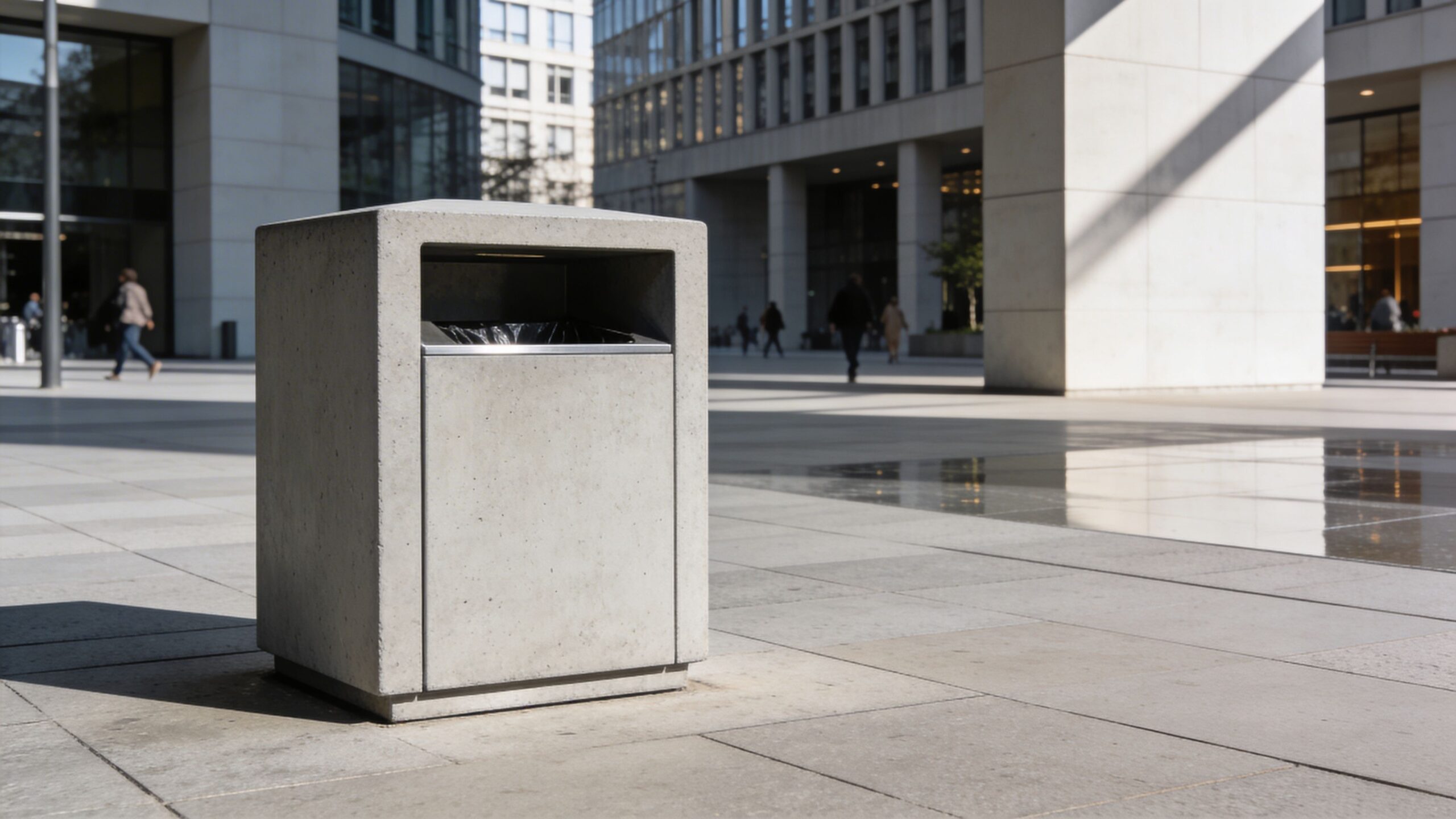
Public spaces are defined by the details people often overlook. Clean walkways, well-maintained landscaping, and thoughtfully placed amenities all contribute to a positive experience. Among these, the humble trash bin plays a surprisingly important role. In parks, city streets, campuses, transit hubs, and commercial plazas, a well-chosen concrete trash bin is more than just a container—it is a permanent fixture that influences cleanliness, safety, maintenance efficiency, and even the visual identity of a space. Choosing the right concrete trash bin for public use is not a one-size-fits-all decision. It requires careful consideration of foot traffic, environmental exposure, vandalism risk, accessibility, and long-term maintenance. A poorly selected bin can lead to overflow issues, increased upkeep costs, or even safety concerns. On the other hand, the right choice can quietly support a cleaner, more organized, and more welcoming environment for years to come.
A: Concrete is often chosen because it is stable, vandal-resistant, hard to steal, and well-suited for permanent public installations.
A: The best size depends on foot traffic and servicing frequency, but many public sites use bins in the 20–45 gallon range.
A: Choose square for tighter alignment with walls and straight layouts, and round for softer aesthetics and easier all-side approachability.
A: Exposed aggregate is often a strong choice because it tends to hide stains, chips, and everyday wear better than smoother finishes.
A: Often yes. Lids or hoods can help keep out rain, reduce odors, discourage birds, and improve the overall appearance of the receptacle.
A: Pick a liner that matches your maintenance needs—plastic is lightweight and simple, while metal may be better for tougher or fire-sensitive locations.
A: Many do not because they are so heavy, but anchoring or careful placement may still be useful depending on the site and local standards.
A: Very important. A durable shell means little if crews struggle to empty the bin quickly and safely every day.
A: Yes, but quality concrete, good sealing, and regular inspection are especially important where freeze-thaw cycles or salts are common.
A: Focusing only on looks and ignoring capacity, liner design, maintenance workflow, and placement needs for the actual public space.
Built for the Real World: Understanding Durability and Material Strength
Concrete is widely regarded as one of the most durable materials available for outdoor infrastructure, which is why it is commonly used in public trash bins. Its weight and structural integrity make it resistant to tipping, theft, and physical damage. However, not all concrete bins are created equal, and understanding the nuances of material quality is essential.
High-quality concrete bins are typically reinforced with steel or fiber additives to improve tensile strength and reduce the likelihood of cracking. This reinforcement is particularly important in climates that experience freeze-thaw cycles, where moisture can expand within the material and cause long-term damage. A properly sealed concrete bin will resist water penetration, helping maintain structural integrity over time.
Surface finish also plays a role in durability. Smooth finishes are easier to clean but may show stains more readily, while textured or exposed aggregate finishes can hide wear and tear but may require more effort to maintain. The choice depends on the environment and the level of maintenance resources available.
In high-traffic areas or locations prone to misuse, investing in a thicker, reinforced concrete bin can significantly extend the lifespan of the installation. While the upfront cost may be higher, the long-term savings in repairs and replacements often justify the investment.
Matching the Environment: Placement, Traffic Flow, and Capacity Needs
One of the most critical aspects of selecting a concrete trash bin is understanding how it will be used within the space. Public environments vary widely, and each presents unique challenges. A quiet park trail requires a different solution than a bustling downtown sidewalk or a busy transit station.
Placement is key to effectiveness. Bins should be positioned where people naturally congregate or pass through, such as near entrances, seating areas, intersections, and exits. A bin that is too far from foot traffic is unlikely to be used consistently, leading to litter accumulation. Conversely, poorly placed bins can disrupt pedestrian flow or create congestion.
Capacity is another important consideration. In high-traffic areas, larger bins or multiple units may be necessary to prevent overflow. Overflowing bins not only create an unsightly appearance but also discourage proper waste disposal and increase maintenance demands. In lower-traffic environments, smaller bins may be sufficient and can help maintain a more discreet presence.
Understanding peak usage times is also important. Locations that experience surges in activity, such as event venues or tourist areas, may require bins that can handle temporary increases in waste volume. Planning for these variations ensures consistent performance and reduces the likelihood of operational issues.
Shape, Style, and Visual Integration
Concrete trash bins are no longer purely functional objects. They are part of the visual landscape and should complement the overall design of the space. The shape and style of a bin can influence how it is perceived and how well it integrates with its surroundings.
Square bins often align with modern architectural designs, offering clean lines and a structured appearance. They work well in urban environments, commercial developments, and areas with geometric design elements. Round bins, on the other hand, provide a softer, more organic look that blends naturally with parks, gardens, and recreational spaces.
Color and finish also play a role in visual integration. Neutral tones such as gray, beige, or earth tones are commonly used to ensure that bins do not stand out excessively. However, in some cases, bins may be designed to match branding elements or serve as subtle design accents.
The goal is to strike a balance between visibility and discretion. A trash bin should be easy to locate when needed but should not dominate the visual landscape. Thoughtful design ensures that the bin enhances the space rather than detracts from it.
User Experience and Accessibility Considerations
A well-designed concrete trash bin should be intuitive and easy to use for all individuals, regardless of age or physical ability. Accessibility is a key factor, particularly in public spaces where inclusivity is essential.
Opening design is an important consideration. Wide, clearly visible openings make it easier for users to dispose of waste quickly and accurately. Some bins feature multiple openings to accommodate different approaches, which can be beneficial in high-traffic areas. The height of the opening should also be considered to ensure that it is accessible to a wide range of users.
Lid design can influence both usability and cleanliness. Covered bins help contain odors and prevent rainwater from entering, while open-top designs offer convenience and ease of use. The choice depends on the environment and the type of waste being collected.
Clear signage or visual cues can improve user behavior, particularly in areas where recycling or waste separation is encouraged. While the bin itself may not include text, its design can still guide users toward proper disposal practices.
Maintenance, Cleaning, and Operational Efficiency
Even the most durable concrete trash bin requires regular maintenance to remain effective. Ease of cleaning and servicing should be a top priority when selecting a bin for public use.
Interior liners are a critical feature that can significantly improve maintenance efficiency. Removable liners allow staff to empty bins quickly without handling waste directly, reducing labor time and improving hygiene. Liners also help protect the interior of the bin from stains and damage.
The shape of the bin can influence cleaning processes. Designs with fewer corners and smooth interior surfaces are easier to clean and less likely to trap debris. Exterior surfaces should be resistant to staining and easy to wash, particularly in areas where spills or graffiti are common.
Maintenance frequency should be considered during the selection process. In high-traffic areas, bins may need to be emptied and cleaned multiple times per day. Choosing a design that supports efficient servicing can reduce operational costs and improve overall cleanliness.
Safety, Security, and Vandal Resistance
Public spaces present unique challenges when it comes to safety and security. Concrete trash bins are inherently resistant to theft and vandalism due to their weight and durability, but additional design features can enhance these benefits.
Stability is a key advantage of concrete bins. Their heavy construction makes them difficult to tip over, reducing the risk of accidents or misuse. This is particularly important in areas with high foot traffic or where children are present.
Vandal resistance is another important consideration. Smooth, sealed surfaces can make it easier to remove graffiti, while textured finishes can help conceal minor damage. Some bins are designed with anti-graffiti coatings that simplify cleaning and reduce long-term maintenance costs.
Fire resistance is also worth noting. Concrete does not burn, making it a safer option in environments where fire risk is a concern. This can be particularly important in public parks or urban areas where improper disposal of cigarettes or other materials may occur.
Sustainability and Long-Term Value
As sustainability becomes an increasingly important consideration in public infrastructure, concrete trash bins offer several advantages. Their long lifespan reduces the need for frequent replacement, which in turn minimizes resource consumption and waste. A well-maintained concrete bin can remain functional for many years, providing a strong return on investment.
Many manufacturers are also incorporating sustainable practices into their production processes, including the use of recycled materials and environmentally friendly additives. These innovations help reduce the environmental impact of concrete while maintaining its performance characteristics.
In addition to material sustainability, operational efficiency contributes to long-term value. Bins that are easy to maintain and service require fewer resources over time, further enhancing their overall sustainability profile.
When evaluating options, it is important to consider not just the initial cost, but the total cost of ownership. A higher-quality bin may require a larger upfront investment but can deliver significant savings over its lifespan through reduced maintenance and replacement needs.
Choosing with Confidence: Aligning Design, Function, and Environment
Selecting the right concrete trash bin for public spaces is a decision that requires careful thought and planning. It is not simply about choosing a durable container—it is about finding a solution that aligns with the specific needs of the environment and the people who use it.
By considering factors such as durability, placement, design, accessibility, maintenance, safety, and sustainability, decision-makers can make informed choices that support long-term success. Each element plays a role in ensuring that the bin performs effectively and contributes positively to the space.
In many cases, the best approach involves a combination of thoughtful design and practical functionality. A well-chosen concrete trash bin can enhance cleanliness, improve user experience, and reduce operational challenges, all while blending seamlessly into its surroundings.
Elevating Public Spaces Through Smart Waste Solutions
Public spaces thrive when they are clean, organized, and inviting. While trash bins may seem like a small detail, they are an essential part of the infrastructure that supports these qualities. Choosing the right concrete trash bin is an investment in the overall experience of the space. With the right selection, these bins become more than just functional objects. They contribute to the visual harmony of the environment, support efficient maintenance, and help create a space that people enjoy and respect. By approaching the decision with care and attention to detail, it is possible to transform a simple necessity into a meaningful component of thoughtful design.