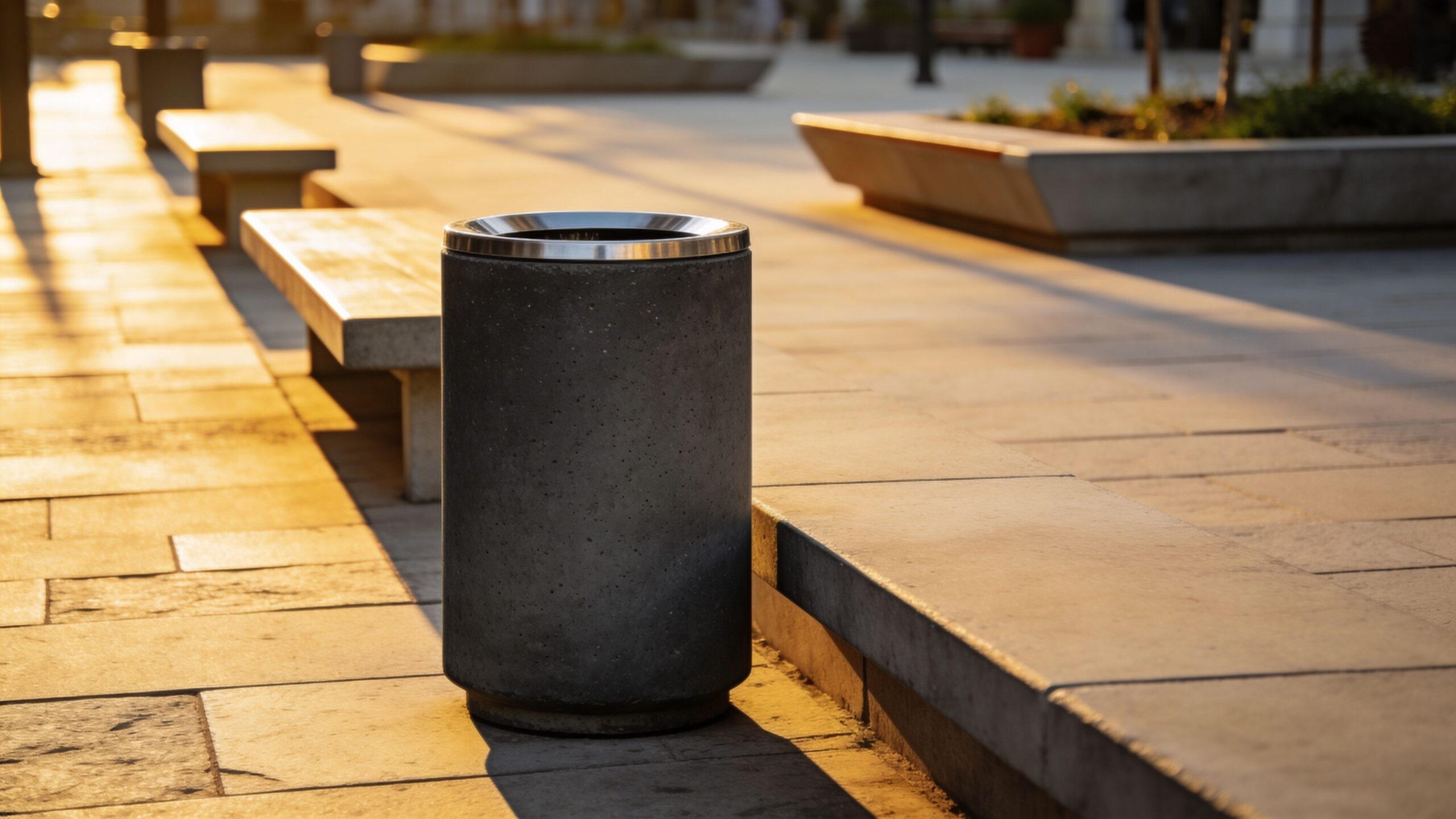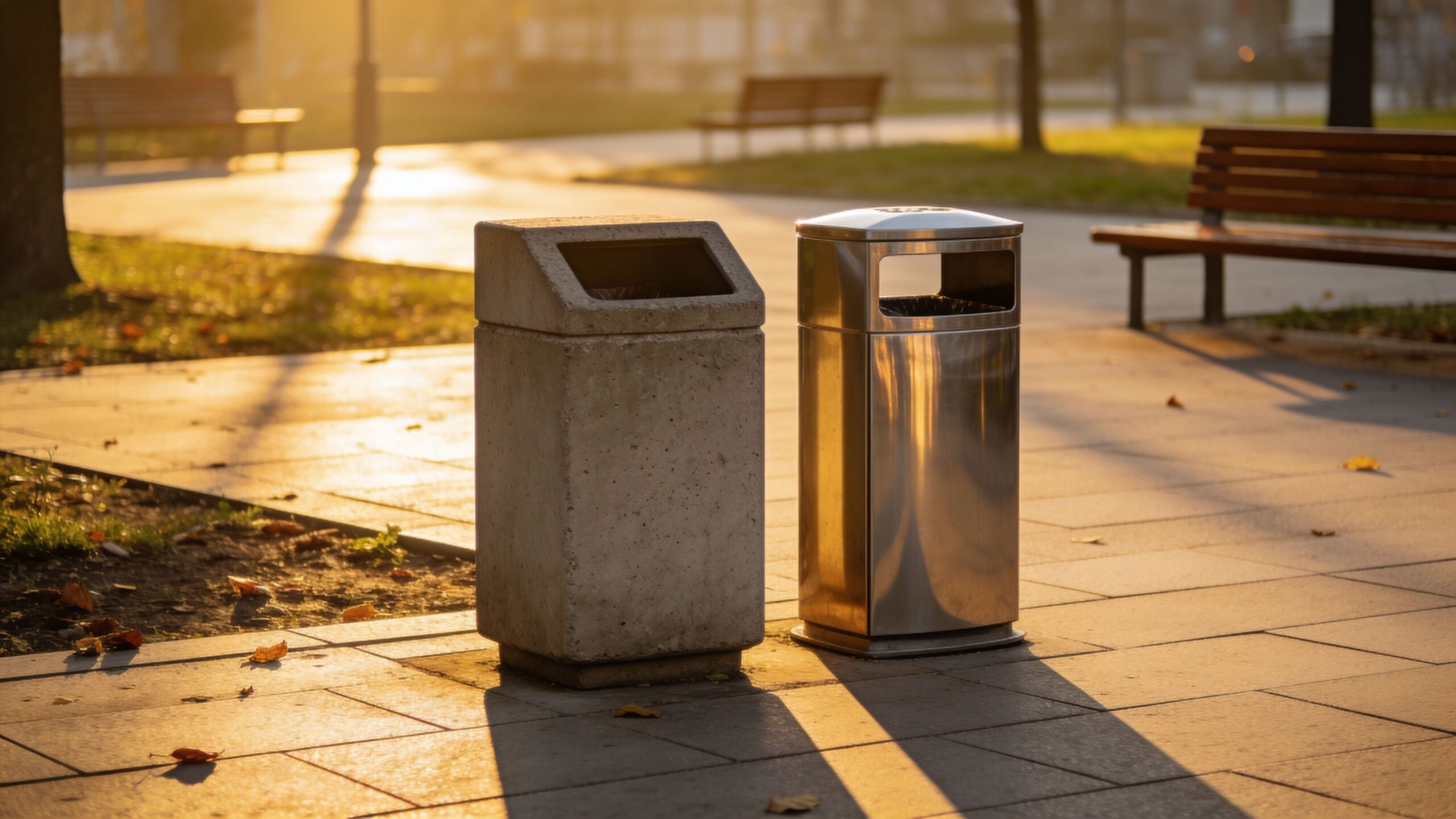
Outdoor trash bins are an often-overlooked component of public spaces, commercial properties, parks, campuses, and even residential exteriors. Yet they play a critical role in cleanliness, user experience, and long-term maintenance costs. Choosing between concrete and metal trash bins is not simply a matter of appearance—it is a strategic decision that impacts durability, safety, vandal resistance, environmental exposure, and operational efficiency. Both materials offer unique advantages, and understanding how they perform in real-world conditions can help property owners, facility managers, and planners make informed decisions that stand the test of time. Concrete and metal bins dominate the outdoor waste management market because they each solve different problems exceptionally well. Concrete bins are synonymous with permanence, stability, and resilience, while metal bins offer versatility, modern aesthetics, and easier mobility. The decision ultimately comes down to context: where the bin will be used, how much traffic it will endure, and what level of maintenance is acceptable.
A: It depends on the environment and maintenance. Concrete often excels against impact and movement, while well-finished metal can last for years with proper corrosion protection.
A: Concrete is usually better for resisting theft, tipping, and heavy abuse because of its mass and permanence.
A: Metal bins are often easier to empty, move, and repair, especially when they include hinged doors and removable liners.
A: Quality concrete bins are durable, but poor installation, impact, or repeated freeze-thaw exposure can eventually cause cracking or surface damage.
A: They can if coatings fail or if the metal is not suited for the environment. Galvanized or stainless options perform better in wet or corrosive settings.
A: Metal often gives a sleeker, more contemporary look, while concrete usually feels more civic, architectural, and permanent.
A: Yes. Liners make collection faster, help protect the outer shell, and improve sanitation during daily maintenance.
A: Concrete usually has the edge because its weight helps it stay put without relying as heavily on anchoring.
A: Yes. Many outdoor metal receptacles include surface-mount or anchor-ready designs for added security and stability.
A: Choose concrete for permanence and abuse resistance, and choose metal when flexibility, easier servicing, and lighter installation matter more.
Built to Last: Durability and Longevity in Harsh Environments
Durability is one of the most important considerations when selecting an outdoor trash bin, especially in high-traffic or exposed environments. Concrete trash bins excel in this category due to their sheer mass and structural integrity. They are highly resistant to impact, meaning they can withstand accidental collisions from vehicles, heavy equipment, or misuse by the public. In areas prone to vandalism, concrete bins offer a level of permanence that is difficult to compromise. They cannot be easily tipped over, moved, or damaged without significant force.
Weather resistance is another area where concrete shines. It performs exceptionally well in extreme temperatures, whether facing freezing winters or scorching summers. Unlike metal, it does not expand and contract as dramatically, which reduces the risk of warping or structural fatigue over time. Properly sealed concrete can resist moisture penetration, preventing cracking and degradation.
Metal trash bins, on the other hand, provide strong durability but require more careful material selection. Stainless steel and powder-coated steel bins are designed to resist rust and corrosion, but they are still vulnerable in harsh climates if coatings are damaged. Over time, exposure to rain, snow, and salt—especially in coastal or winter road-treated areas—can lead to corrosion if maintenance is neglected. However, high-quality metal bins with proper finishes can still last many years and perform reliably in most environments.
Aesthetic Appeal and Design Flexibility
Visual appeal plays a significant role in outdoor environments, particularly in commercial spaces, urban developments, and public parks where design consistency matters. Metal trash bins offer a clear advantage in terms of design flexibility. They can be manufactured in a wide range of shapes, finishes, and colors, allowing them to blend seamlessly with modern architectural styles. Sleek stainless steel finishes, perforated patterns, and custom branding options make metal bins an attractive choice for locations where aesthetics are a priority.
Concrete bins, while traditionally associated with a more utilitarian appearance, have evolved significantly in design. Modern concrete bins can feature decorative aggregates, polished finishes, and even stamped textures that mimic natural stone. They are often used in upscale outdoor environments where a natural, grounded aesthetic is desired. While they may not offer the same level of customization as metal, they provide a timeless, understated look that integrates well with landscaping and hardscaping elements.
In many cases, the choice between concrete and metal comes down to whether the goal is to make the bin visually disappear into the environment or stand out as part of a cohesive design statement.
Weight and Mobility: Stability Versus Flexibility
One of the most defining differences between concrete and metal trash bins is weight. Concrete bins are extremely heavy, often weighing hundreds of pounds. This makes them ideal for locations where stability is critical. They are highly resistant to tipping, theft, and unauthorized relocation, making them a preferred option for public spaces, parks, and high-traffic urban areas.
However, this weight also introduces challenges. Moving or repositioning a concrete bin requires specialized equipment, such as forklifts or dollies, and can be time-consuming. For facilities that frequently reconfigure layouts or need flexibility in placement, concrete bins may not be the most practical choice.
Metal bins, by contrast, are significantly lighter and easier to move. This makes them ideal for dynamic environments such as event venues, campuses, and commercial properties where layouts may change. Maintenance staff can reposition metal bins quickly, improving operational efficiency. Some models even include wheels or modular designs that enhance mobility further.
The trade-off is that lighter bins are more susceptible to tipping or theft, particularly in unsecured areas. Anchoring systems or weighted bases can mitigate this issue, but they add complexity to installation.
Maintenance Demands and Long-Term Costs
Maintenance is a critical factor that often determines the true cost of ownership over time. Concrete trash bins are known for their low maintenance requirements. They do not rust, dent easily, or require frequent repainting. Routine cleaning is typically sufficient to keep them looking presentable, and their durability reduces the need for repairs or replacements.
That said, concrete is not entirely maintenance-free. Over time, surface staining from spills, graffiti, or environmental exposure can affect appearance. Pressure washing and sealing may be required periodically to maintain a clean look. In colder climates, freeze-thaw cycles can cause minor cracking if the concrete is not properly sealed or reinforced.
Metal bins generally require more active maintenance. Powder-coated finishes can chip or scratch, exposing the underlying metal to corrosion. Regular inspections and touch-ups are necessary to prevent rust from spreading. Stainless steel bins are more resistant but may still require cleaning to prevent discoloration or staining.
Despite these maintenance demands, metal bins can be cost-effective due to their lower upfront cost and ease of replacement. When budgeting for outdoor waste solutions, it is important to consider both initial investment and ongoing maintenance expenses.
Resistance to Vandalism and Public Use Challenges
Public spaces present unique challenges, including vandalism, misuse, and heavy wear. Concrete trash bins are often the preferred choice in high-risk areas because of their resistance to damage. Their weight and solid construction make them difficult to move, tip, or break. They are also less likely to be targeted for theft due to their immobility.
Graffiti can still be an issue, but concrete surfaces can be treated with anti-graffiti coatings that make cleaning easier. Even in the face of repeated vandalism, concrete bins tend to maintain their structural integrity.
Metal bins, while durable, are more vulnerable to certain types of damage. They can be dented, scratched, or bent if subjected to force. In some cases, lighter metal bins may be tipped over or relocated. However, many modern designs incorporate reinforced frames and tamper-resistant features to address these concerns.
In environments such as schools, transit stations, or busy downtown areas, the choice between concrete and metal often hinges on the level of expected abuse and the need for resilience.
Environmental Impact and Sustainability Considerations
Sustainability is becoming an increasingly important factor in infrastructure decisions, and both concrete and metal bins offer advantages in this area. Concrete is made from abundant natural materials and has a long lifespan, which reduces the frequency of replacement and associated resource consumption. Its durability means fewer bins are discarded over time, contributing to lower overall waste.
However, the production of concrete is energy-intensive and contributes to carbon emissions. Advances in sustainable concrete mixes, including the use of recycled materials and alternative binders, are helping to mitigate this impact.
Metal bins are highly recyclable, which is a significant advantage from a sustainability perspective. At the end of their lifecycle, metal components can be melted down and reused, reducing the need for new raw materials. Additionally, many manufacturers use recycled steel in their products, further enhancing environmental benefits.
The environmental impact of metal bins depends largely on maintenance and lifespan. If corrosion or damage leads to frequent replacement, the sustainability benefits may be reduced. Choosing high-quality materials and finishes can extend the life of metal bins and improve their environmental performance.
Safety, Accessibility, and User Experience
Safety and usability are essential considerations for any outdoor waste solution. Concrete bins provide a stable, secure option that minimizes the risk of tipping or movement. This stability is particularly important in areas with high foot traffic, where accidental contact is more likely. Their solid construction also reduces noise, as they do not rattle or shift when used.
However, the weight of concrete bins can make them less accessible for maintenance staff, particularly when emptying or cleaning. Designs that incorporate removable liners or accessible openings can help address this issue.
Metal bins often offer more ergonomic designs, including hinged lids, foot pedals, and easy-access liners. These features improve user experience and streamline maintenance processes. Lighter construction also allows for easier handling by staff, reducing physical strain and improving efficiency.
In terms of safety, metal bins must be properly designed to avoid sharp edges or pinch points. High-quality models address these concerns with smooth finishes and thoughtful engineering.
Choosing the Right Solution for Your Space
Selecting between concrete and metal trash bins ultimately depends on the specific needs of the environment. For permanent installations in high-traffic or vandal-prone areas, concrete bins offer unmatched durability and stability. They are ideal for parks, public plazas, and urban streetscapes where longevity and resistance to misuse are top priorities.
Metal bins are better suited for environments that require flexibility, modern aesthetics, and ease of maintenance. They are a strong choice for commercial properties, campuses, and event spaces where design and adaptability are important.
In many cases, a hybrid approach may provide the best results. Combining concrete bins in high-risk areas with metal bins in controlled environments allows for a balanced solution that maximizes the strengths of each material.
The Final Word on Outdoor Waste Management Choices
Concrete and metal trash bins each bring distinct advantages to outdoor waste management, and neither is universally superior. Instead, they represent two different philosophies: one focused on permanence and resilience, the other on adaptability and design versatility. By carefully evaluating factors such as location, usage patterns, maintenance capabilities, and aesthetic goals, decision-makers can select the option that delivers the greatest long-term value. As outdoor spaces continue to evolve, the role of trash bins will remain essential in maintaining cleanliness, supporting sustainability, and enhancing user experience. Choosing the right material is not just a practical decision—it is an investment in the functionality and appearance of the space itself.