


Retractable Bollards That Disappear When You Don’t Need Them
What if security could appear only when needed and disappear the moment it wasn’t? Retractable bollards are redefining how cities, businesses, and private spaces balance safety, access, and design. From smart urban streets to modern commercial developments, these hidden barriers deliver powerful protection without visual clutter. This article explores how retractable bollards work, why demand is rising, and why they are becoming a compelling infrastructure

Stainless Steel Bollards for Modern Outdoor Furniture Settings
What if outdoor furniture could be protected without sacrificing style? Stainless steel bollards have become a quiet essential in modern plazas, patios, and pedestrian spaces, offering strength, longevity, and refined aesthetics. As outdoor environments grow more intentional and design-forward, these sleek barriers help define movement, safeguard furniture investments, and maintain open, welcoming spaces. This article explores why stainless steel bollards are shaping the future of

Black Bollards and Why They Dominate Contemporary Streetscapes
Why do black bollards appear in nearly every modern city street, plaza, and pedestrian zone? Their dominance is no accident. Black bollards balance authority and restraint, providing essential protection while blending effortlessly into contemporary architecture. From safety and psychology to durability and urban design, this article explores how black bollards became the defining streetscape element of modern cities and why their influence continues to grow.
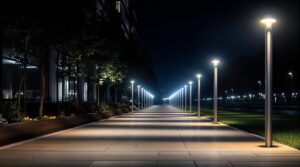
Bollard Lighting Ideas for Walkways, Paths, and Plazas
What if the most important lighting in a space lived closer to the ground? Bollard lighting has become a cornerstone of modern outdoor design, shaping how people move through walkways, paths, and plazas after dark. By blending safety, ambiance, and smart technology, illuminated bollards guide movement without glare or visual clutter. This article explores creative bollard lighting ideas and why they are redefining nighttime outdoor