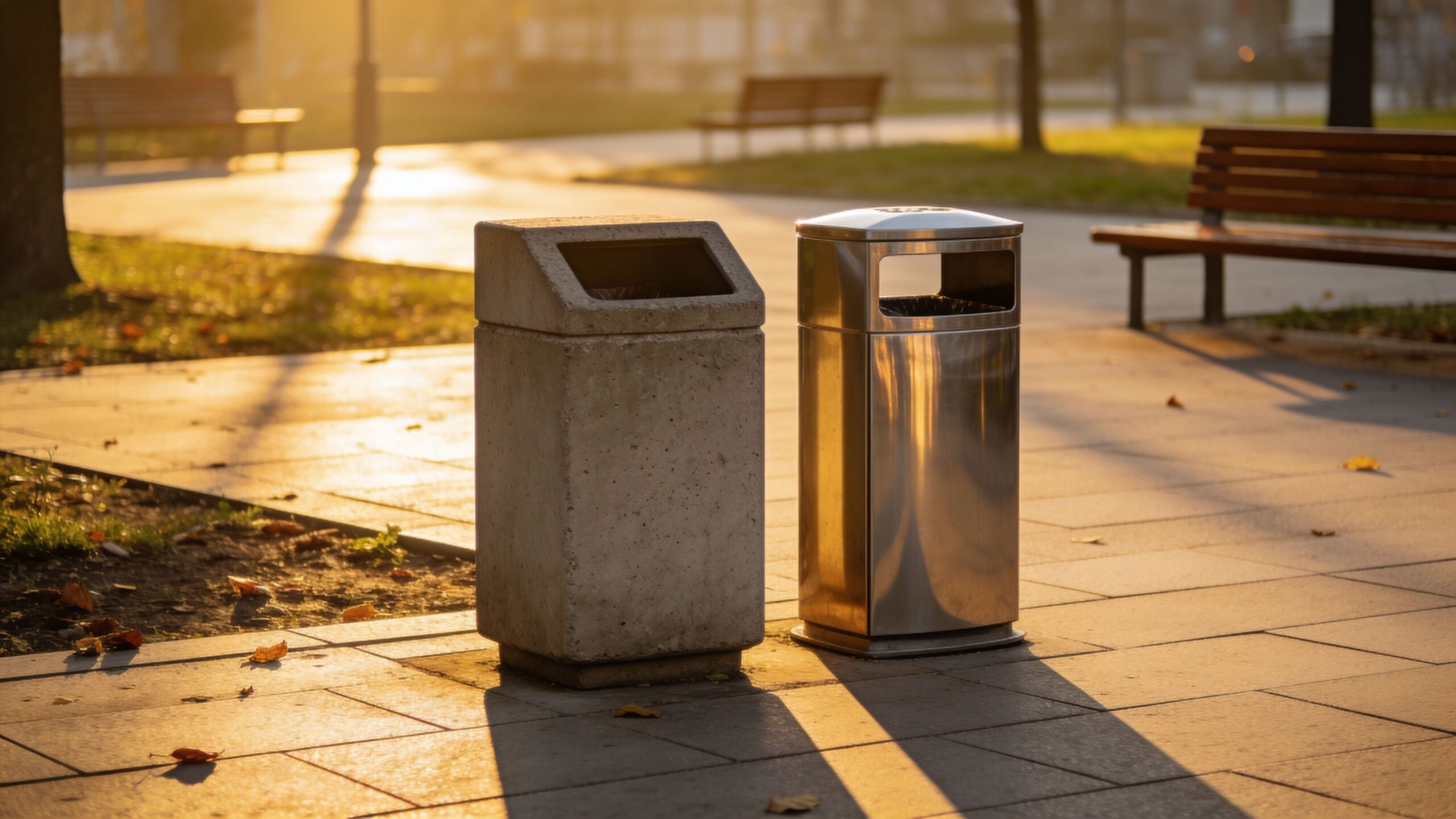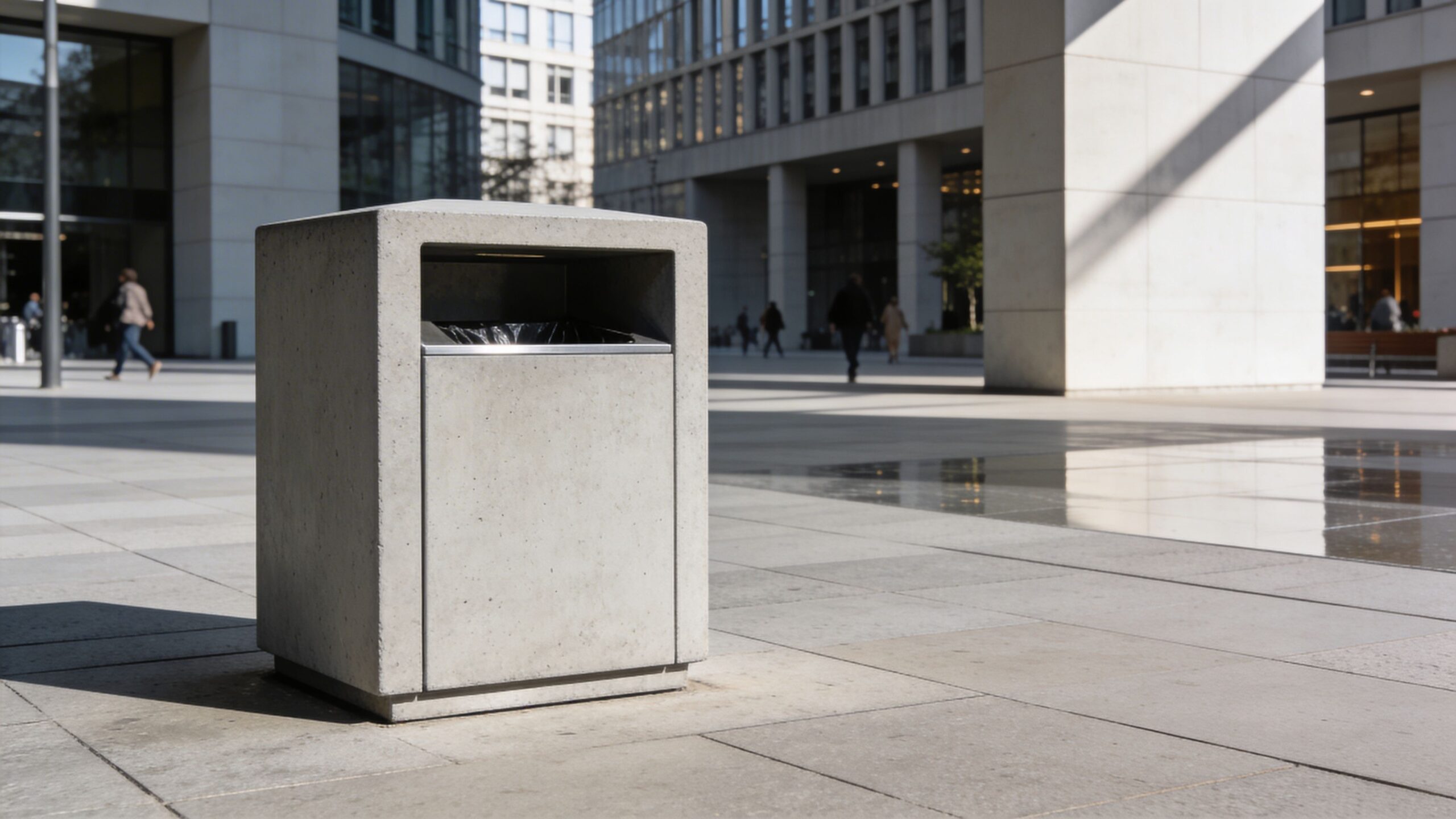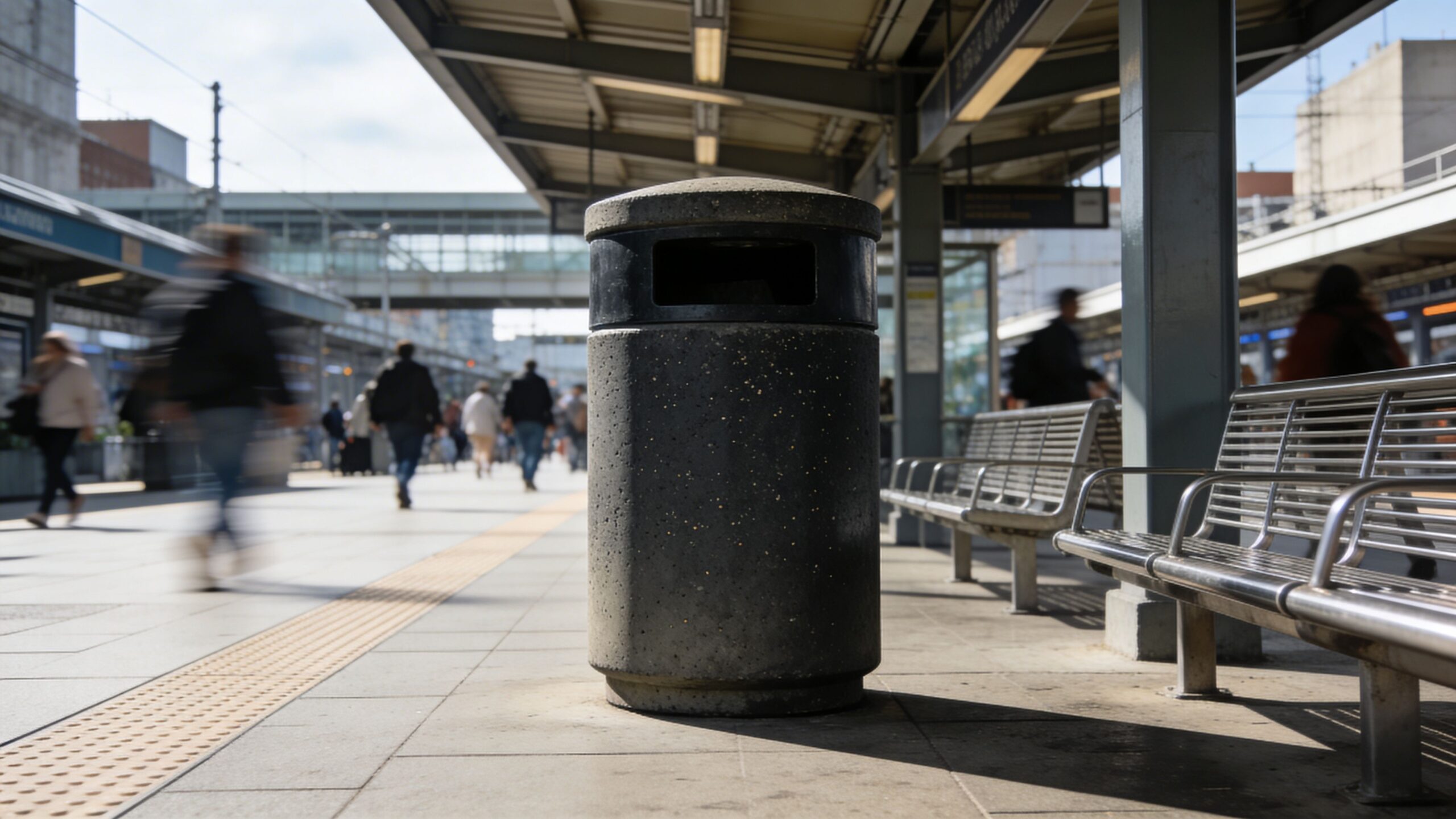
High-traffic environments test every piece of infrastructure placed within them. Airports, transit hubs, shopping districts, stadiums, university campuses, amusement parks, and busy downtown corridors generate constant movement and continuous waste. In these demanding settings, lightweight bins fail quickly. They tip, crack, dent, overflow, or deteriorate under pressure. Heavy-duty concrete garbage cans for high-traffic locations solve these problems with strength, permanence, and reliability. Waste management in crowded areas is not just about convenience. It directly affects cleanliness, public perception, safety, and operational efficiency. Overflowing or damaged bins create litter, increase maintenance demands, and diminish the overall experience of the space. A well-designed heavy-duty concrete garbage can does more than hold trash. It stabilizes the environment, reduces disruption, and reinforces the sense that the space is well managed. Concrete is uniquely suited to these challenges. Its weight prevents tipping in busy corridors and windy plazas. Its durability resists impact from carts, strollers, and foot traffic. Its non-combustible nature enhances safety in public areas. And its architectural presence helps it blend seamlessly into professional, civic, and commercial landscapes. For high-traffic locations, strength is not optional. It is essential.
A: Reinforced concrete, protected hardware, a rugged lid/hood, and a liner system built for frequent servicing and impact.
A: Hoods reduce wind scatter, rain caps reduce water intrusion, and domes/restricted openings discourage dumping—match the top to your biggest issue.
A: Estimate daily waste volume and align with service frequency; food zones and events usually need 35–55 gallons or more frequent pickup.
A: Often not due to weight, but anchoring can help on slopes, near water edges, or where tampering is frequent.
A: Plastic is light and corrosion-proof; metal handles heat better and feels more commercial in rugged sites.
A: Keep water out with rain caps, service more often in hot weather, and use liners that can be removed and washed.
A: Choose rain-cap/hooded tops and ensure the unit has weep paths or raised liner bases where appropriate.
A: Restricted openings, visible placement, and pairing bins near legitimate disposal points reduce oversized dumping attempts.
A: Yes—prioritize stainless or well-coated metal components and maintain concrete sealers to reduce salt-related staining.
A: Standardize liners/bags, tighten hardware periodically, rinse interiors regularly, and re-seal concrete as needed for your climate.
Engineered for Endurance: What Makes Concrete Heavy-Duty
Not all concrete garbage cans are created equal. Heavy-duty models are engineered specifically to withstand high-volume use, harsh weather, and repeated servicing. The foundation of their performance lies in material composition and structural reinforcement.
High-quality heavy-duty concrete garbage cans often incorporate steel rebar or fiber reinforcement within the concrete shell. This internal structure increases tensile strength and reduces the likelihood of cracking under stress. In environments where bins may be bumped by maintenance carts or leaned against by crowds, that reinforcement matters. It extends lifespan and protects the investment.
Thickness is another key factor. Heavy-duty models typically feature thicker walls than residential versions. This added mass improves durability and enhances stability. In outdoor plazas or transit stations exposed to wind gusts, the weight of the bin keeps it firmly in place without the need for anchoring in many cases.
Surface treatments also contribute to durability. Sealants protect against moisture penetration, staining, and freeze-thaw damage. In high-traffic settings where spills are common, sealed concrete resists discoloration and simplifies cleaning. Some models include protective coatings that guard against graffiti and environmental wear, further enhancing longevity.
When evaluating heavy-duty concrete garbage cans for high-traffic locations, look beyond the appearance. Examine construction methods, reinforcement details, and finishing processes. These structural elements determine how well the receptacle performs over time.
Stability and Security in Crowded Environments
In busy public spaces, stability is critical. A garbage can that shifts, tips, or moves easily creates hazards and contributes to disorder. Heavy-duty concrete garbage cans excel in this area due to their inherent mass.
The weight of concrete minimizes accidental tipping caused by foot traffic, collisions, or wind. In crowded environments such as stadium entrances or transportation terminals, this stability ensures the bin remains upright even when people brush against it or place heavy items inside. Stability directly reduces litter caused by overturned containers.
Security is another major consideration. Lightweight bins can be stolen or relocated, especially in open public areas. Concrete’s substantial weight acts as a deterrent. For locations requiring additional protection, some heavy-duty models offer anchoring systems that secure the receptacle to the ground without compromising aesthetics.
Vandal resistance is equally important. Concrete resists dents and warping that can occur with metal containers. Its solid construction discourages tampering. In areas prone to graffiti, anti-graffiti sealants allow for easier removal without damaging the surface. These security benefits make concrete an attractive solution for municipalities, campuses, and commercial property managers seeking reliable long-term infrastructure.
Design That Performs Without Compromise
Durability alone does not make a garbage can suitable for high-traffic areas. It must also support efficient use and maintenance. The best heavy-duty concrete garbage cans are designed with functionality in mind.
Capacity is one of the most important design elements. High-traffic locations generate large volumes of waste, particularly during peak hours or events. A garbage can with insufficient capacity leads to overflow and litter. Heavy-duty models are available in larger sizes that accommodate increased volume without appearing bulky or obstructive.
Lid design influences both cleanliness and usability. Open-top designs encourage quick disposal but may allow rainwater entry. Hooded or domed lids reduce exposure to the elements and help contain odors. In windy environments, covered designs prevent lightweight trash from blowing back out. Some high-traffic locations benefit from restricted openings that discourage dumping of oversized items.
Interior liners are essential for maintenance efficiency. Removable liners simplify bag changes and reduce contact between waste and the concrete shell. In high-use areas, liners should be sturdy and compatible with standard commercial trash bags to streamline servicing. Efficient maintenance reduces labor costs and keeps the area cleaner throughout the day.
Design also affects aesthetics. In professional environments such as office campuses or urban business districts, the garbage can should complement the surrounding architecture. Smooth finishes, neutral tones, and clean lines ensure that the receptacle enhances rather than detracts from the space.
Weather Resistance for Year-Round Performance
High-traffic locations operate year-round, and waste infrastructure must endure changing seasons. Heavy-duty concrete garbage cans are particularly effective in environments with extreme weather conditions.
Concrete withstands intense sunlight without fading or becoming brittle. Unlike plastic bins that degrade under UV exposure, concrete maintains its structure and appearance over time. In regions with freezing temperatures, properly sealed concrete resists moisture penetration and cracking caused by freeze-thaw cycles.
Rain is another challenge. Hooded lids help reduce water entry, preventing excess weight and odor issues. Proper drainage design within the bin can further protect the interior liner and reduce standing water. In coastal areas where salt air accelerates corrosion, concrete provides a rust-free alternative to metal containers.
Because concrete is non-combustible, it adds an extra layer of safety in outdoor settings where fire risk must be minimized. In high-traffic locations with food vendors or event activities, this fire resistance is an important consideration. The ability to withstand environmental stress without constant replacement makes heavy-duty concrete garbage cans a dependable year-round solution.
Placement Strategies for Maximum Efficiency
Even the best heavy-duty concrete garbage cans will underperform if placed poorly. Strategic placement in high-traffic environments ensures that bins are used consistently and maintained efficiently.
Positioning receptacles along natural traffic flow patterns encourages responsible disposal. Entrances, exits, intersections, and seating clusters are high-priority zones. Placing bins where people naturally pause, such as near ticket booths or transit platforms, increases usage and reduces litter.
Spacing should reflect foot traffic density. In crowded venues, bins may need to be placed at shorter intervals to prevent overflow. During large events, temporary supplemental bins can be added alongside permanent concrete units to handle increased volume.
Accessibility for maintenance crews is equally important. Heavy-duty concrete garbage cans should be placed where staff can access them easily without disrupting pedestrian flow. Efficient servicing routes reduce labor time and help ensure that bins are emptied before reaching capacity.
In environments with recycling programs, pairing garbage cans with matching recycling receptacles creates a cohesive system. Consistent placement and coordinated design make it easier for visitors to sort waste correctly and maintain cleanliness across the property.
Long-Term Value and Cost Efficiency
While heavy-duty concrete garbage cans may have a higher initial cost than lightweight alternatives, their long-term value often outweighs the upfront investment. In high-traffic locations, replacement cycles for cheaper bins can be frequent and costly. Damage, theft, and weather-related deterioration add to ongoing expenses.
Concrete’s durability reduces the need for replacement. Its resistance to vandalism and environmental stress lowers maintenance costs. Over time, these savings contribute to a lower total cost of ownership.
Additionally, the presence of sturdy, well-designed waste infrastructure enhances public perception. Clean, organized environments attract visitors and encourage repeat use. In commercial settings, this can translate to improved customer satisfaction and brand image. For municipalities and institutions, it reinforces a commitment to community care and operational excellence.
Investing in heavy-duty concrete garbage cans for high-traffic locations is not simply about waste containment. It is about building infrastructure that supports long-term cleanliness, safety, and efficiency. When selected thoughtfully and maintained properly, these receptacles become a durable foundation for public space management.
Strength That Supports the Public Experience
High-traffic locations require infrastructure that can keep pace with constant movement and demand. Heavy-duty concrete garbage cans meet that challenge with stability, resilience, and architectural presence. They remain upright in crowded corridors, endure harsh weather, resist vandalism, and simplify maintenance routines. In busy parks, transit stations, shopping centers, and event venues, the right waste management solution quietly supports the overall experience. Visitors may not consciously notice a well-designed concrete garbage can, but they will notice the absence of litter and disorder. That subtle impact shapes how people feel about the space. Choosing heavy-duty concrete garbage cans is ultimately about reliability. It is about selecting equipment that works day after day without constant repair or replacement. In environments where pressure is high and expectations are even higher, concrete delivers the strength needed to maintain order and professionalism. For property managers, municipalities, and facility planners seeking long-term solutions, heavy-duty concrete garbage cans provide a powerful combination of durability, safety, and design consistency. They are not just containers. They are foundational elements of clean, efficient, and welcoming public spaces.