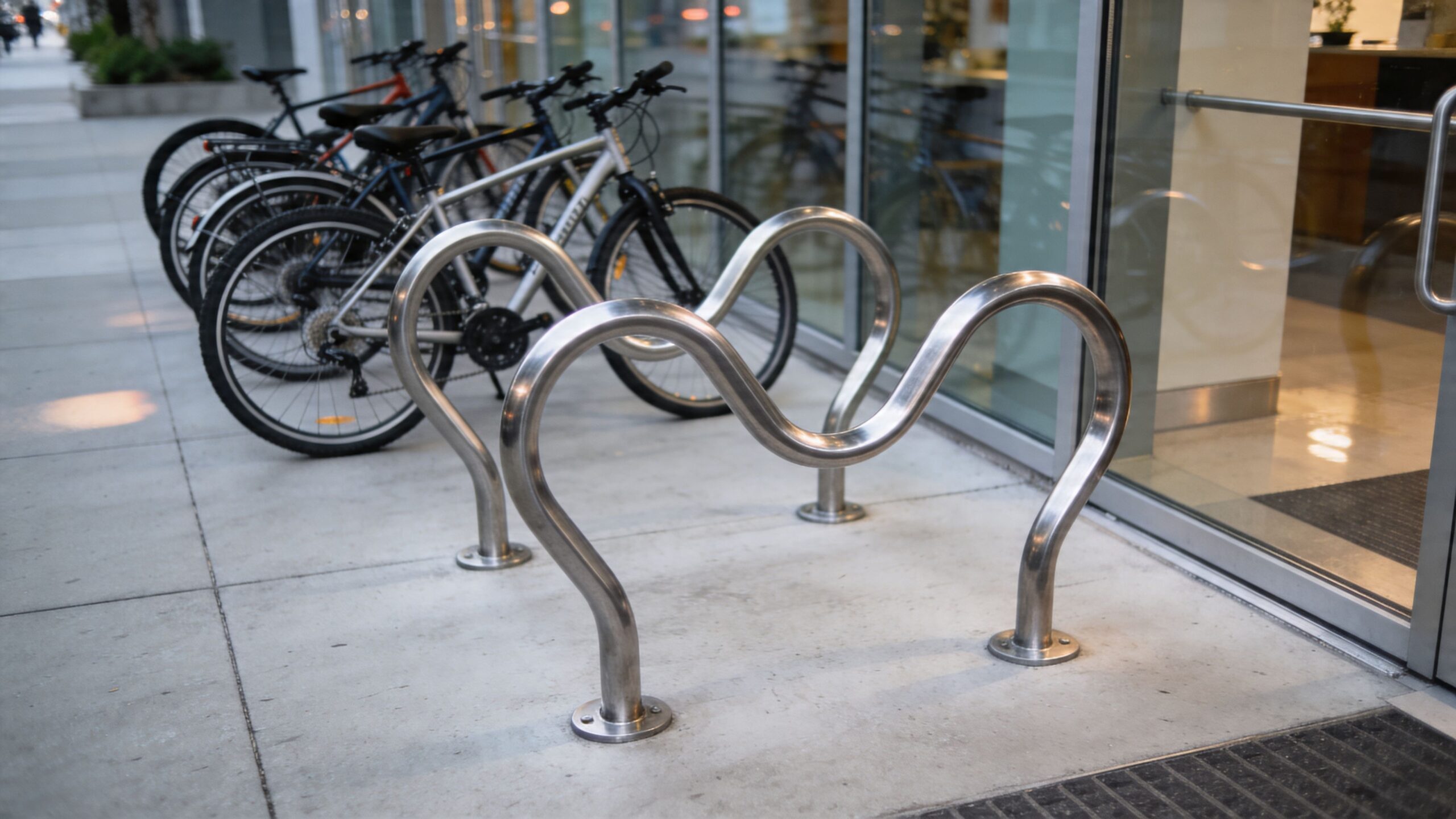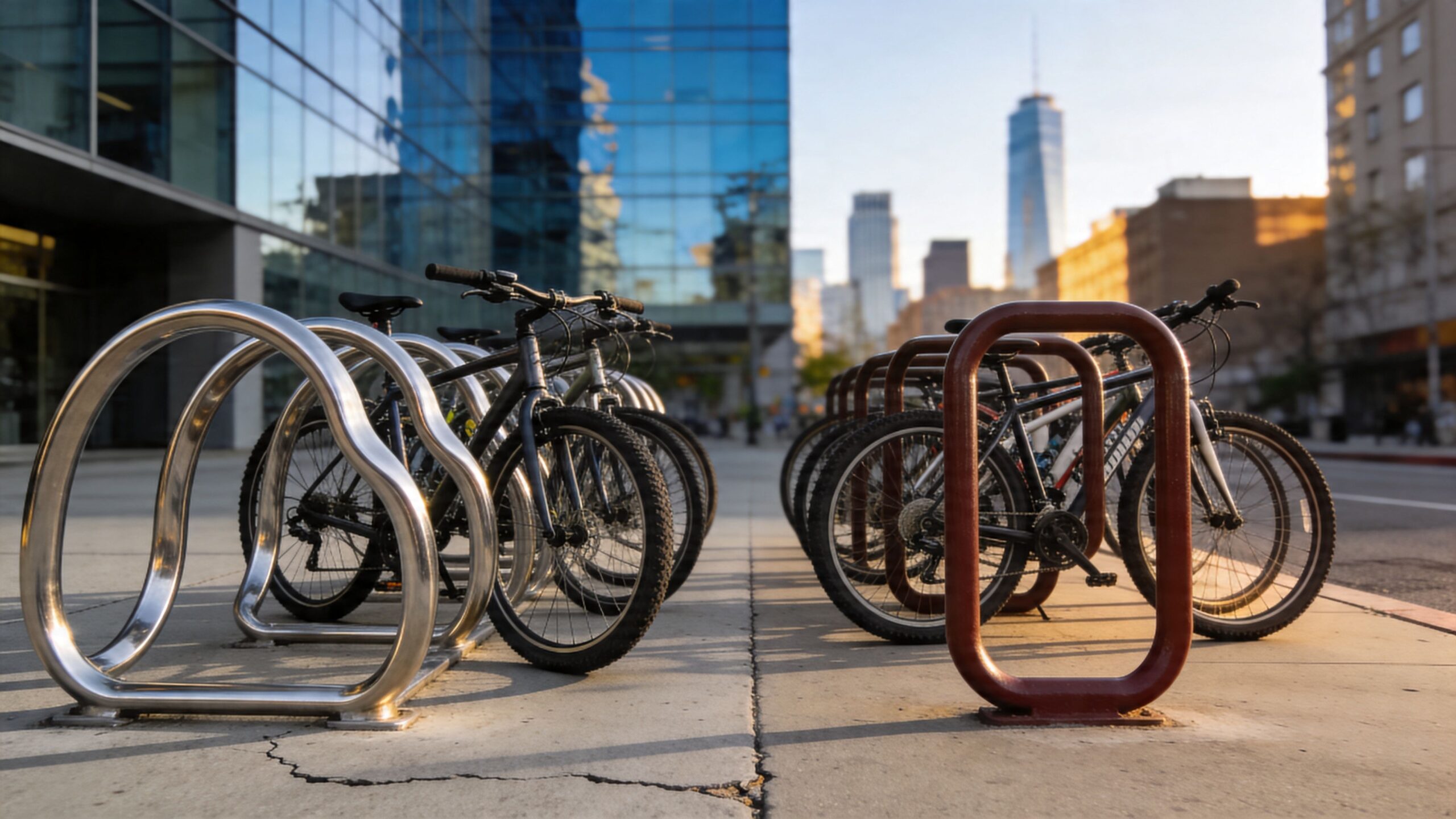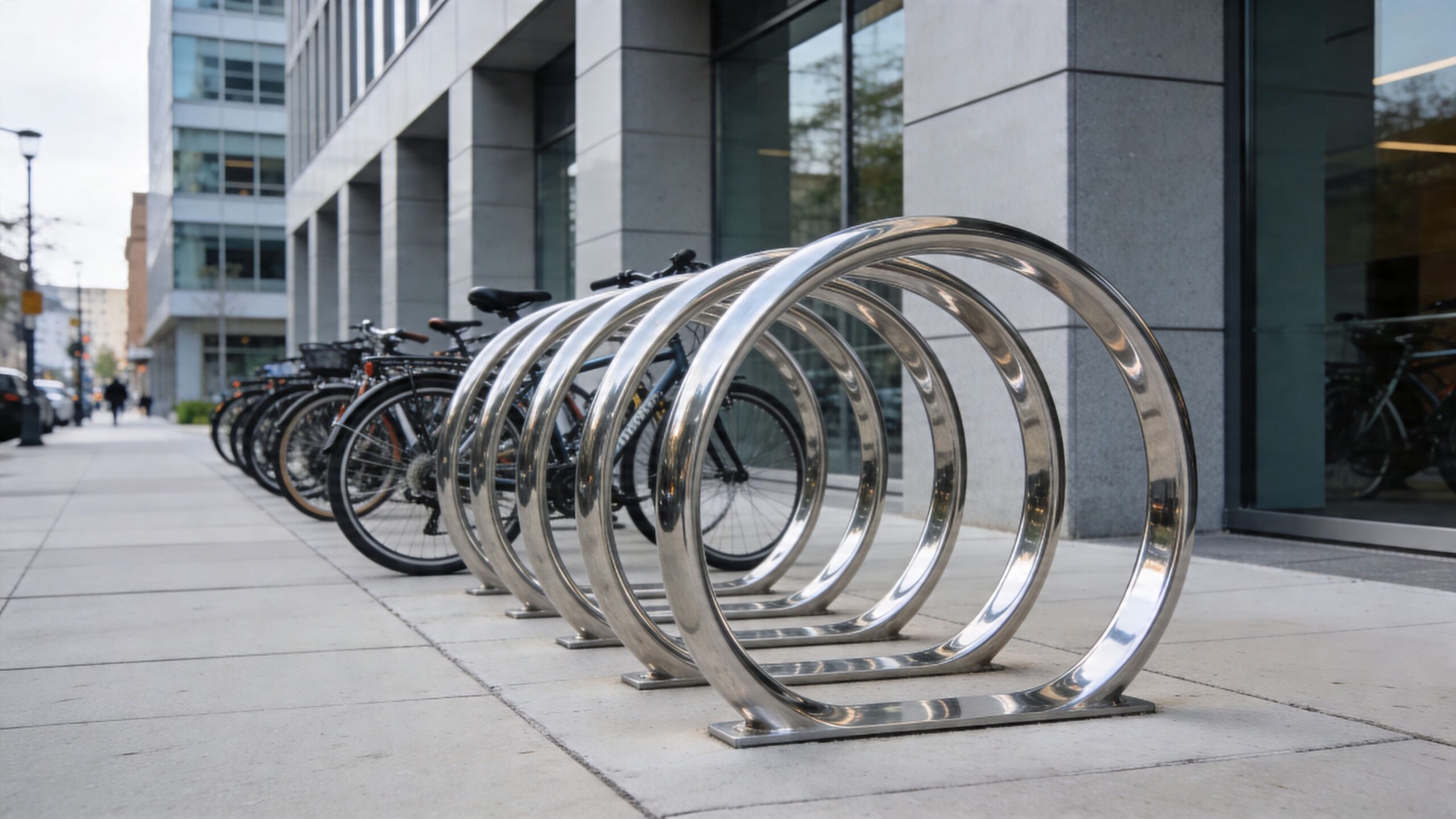
Wave bike racks are one of those design elements that quietly influence how people interact with a space without ever demanding attention. At first glance, they appear simple—curved steel loops anchored into the ground—but beneath that simplicity lies a carefully considered balance of usability, durability, and visual appeal. As cities, campuses, and commercial properties continue to prioritize sustainable transportation, the role of bike racks has evolved from a minor afterthought to an essential component of modern infrastructure The wave bike rack stands out because it solves multiple problems at once. It organizes bicycle parking, enhances the aesthetic of a property, and supports the growing demand for cycling-friendly environments. Whether installed outside a retail storefront, office building, or park, it communicates a subtle but powerful message: this space is designed for people, not just vehicles. Understanding how these racks work—and why they are so widely used—begins with exploring their design philosophy.
A: It combines simple design, flexible bike support, and broad site compatibility in one familiar rack style.
A: Yes—they are widely used on offices, retail sites, apartment properties, campuses, and public buildings because they are versatile and visually clean.
A: It depends on the rack’s size and spacing, but real usable capacity is usually determined by actual bike fit and surrounding clearance.
A: Surface-mount is often easier for retrofit jobs, while in-ground installation is typically more permanent and cleaner-looking in new construction.
A: Powder-coated steel, galvanized steel, and stainless steel are the most common choices, with the best option depending on climate and maintenance goals.
A: Place it near entrances, along convenient travel paths, in visible areas with good lighting, and away from pedestrian bottlenecks.
A: Often yes, but heavier bikes benefit from strong anchoring, generous spacing, and enough maneuvering room around the rack.
A: Usually not, but regular inspection and occasional touch-up or hardware checks help extend service life significantly.
A: They can be very effective when properly installed and when they allow the frame to be locked in a visible, well-used area.
A: Placing a decent rack in a cramped or hidden spot where bikes are difficult to maneuver and riders do not feel comfortable parking.
The Art of the Curve: Understanding Wave Bike Rack Design
The defining feature of a wave bike rack is its continuous, undulating form. This design is not just visually appealing; it is rooted in practical functionality. Each curve acts as a docking point where a bicycle can be secured, allowing multiple bikes to share a single rack without feeling cramped or disorganized.
Unlike traditional racks that may require precise positioning, the wave design offers flexibility. Cyclists can approach from either side, lock their bikes at different angles, and still maintain enough space to avoid interference. This adaptability makes wave racks particularly effective in public spaces where user behavior varies widely.
However, the effectiveness of this design depends on careful proportions. The height of the rack must allow for comfortable locking, the spacing between curves must accommodate different bike sizes, and the tubing diameter must be sturdy enough to resist damage while remaining easy to grip. When these elements come together, the result is a rack that feels intuitive and effortless to use.
Function Meets Flow: Why Wave Racks Excel in Real-World Use
In real-world environments, functionality is measured not by theoretical capacity but by how easily people can use a product. Wave bike racks excel because they align with natural human behavior. Cyclists do not need instructions or guidance; the design itself communicates how it should be used.
This intuitive functionality reduces friction in everyday interactions. A rider can approach the rack, find an open curve, and secure their bike within seconds. There is no need to navigate complicated mechanisms or awkward angles. This ease of use encourages consistent adoption, which is critical for properties that want to promote cycling as a viable transportation option.
Another advantage is versatility. Wave racks accommodate a wide range of bicycles, from lightweight road bikes to heavier commuter and electric models. This inclusivity ensures that the rack serves a diverse user base without requiring specialized configurations. In spaces where flexibility is essential, this adaptability becomes a significant advantage.
Built for the Elements: Materials That Define Longevity
Outdoor infrastructure must endure constant exposure to weather, and wave bike racks are no exception. The materials used in their construction play a crucial role in determining how well they perform over time.
Steel is the most common material due to its strength and reliability. Galvanized steel provides a protective coating that resists rust, making it suitable for a variety of climates. Stainless steel offers even greater corrosion resistance, along with a polished appearance that enhances modern architectural settings. Powder-coated finishes add both durability and visual customization, allowing racks to match or complement the surrounding environment.
Durability is not only about resisting weather but also about withstanding daily use. High-quality racks feature strong welds, thick tubing, and secure mounting hardware. These elements ensure that the rack remains stable and functional even in high-traffic areas. Investing in durable materials reduces maintenance costs and preserves the overall appearance of the property.
Placement as Strategy: Integrating Racks into the Environment
Where a wave bike rack is placed can be just as important as the rack itself. Thoughtful placement ensures that the rack is both accessible and unobtrusive, enhancing the overall flow of the space.
Ideally, racks should be located near entrances or high-visibility areas where they are easy to find and convenient to use. At the same time, they must not interfere with pedestrian movement or create obstacles in busy walkways. Striking this balance requires careful planning and an understanding of how people move through the space.
Environmental context also influences placement decisions. In urban settings, racks may need to fit within tight sidewalks or designated parking zones. In parks or recreational areas, they should blend with natural surroundings while remaining durable enough to handle outdoor conditions. By aligning placement with the unique characteristics of the environment, property owners can create a seamless integration that feels intentional and well-designed.
Installation That Lasts: Methods That Matter
The installation process plays a critical role in the performance and longevity of a wave bike rack. There are two primary methods: surface mounting and in-ground installation, each with its own advantages.
Surface-mounted racks are attached to existing concrete or asphalt using bolts. This method is relatively straightforward and allows for future relocation if needed. It is an ideal choice for properties that may undergo layout changes or require flexibility. However, the stability of a surface-mounted rack depends heavily on the quality of the installation and the integrity of the mounting surface.
In-ground installation involves embedding the rack into concrete, creating a more permanent and secure fixture. This method provides superior stability and resistance to tampering, making it well-suited for high-traffic or high-security areas. While it requires more effort during installation, the long-term benefits often outweigh the initial investment.
Choosing the right installation method depends on the specific needs of the property. Factors such as expected usage, security requirements, and future flexibility all play a role in determining the best approach.
Designing for Experience: Balancing Aesthetics and Usability
A wave bike rack is more than a utilitarian object; it is part of the visual and functional identity of a space. Its design should complement the surrounding architecture while providing a positive user experience.
Aesthetically, the clean lines of a wave rack lend themselves to a wide range of design styles. A matte finish can create a subtle, understated look, while a polished surface can add a touch of sophistication. Color choices can further enhance integration, allowing the rack to blend into or stand out within the environment.
From a usability perspective, the rack must be easy to interact with. The height should be comfortable for users of different sizes, the curves should provide clear locking points, and the overall design should feel intuitive. When aesthetics and usability are aligned, the result is a product that enhances both the appearance and functionality of the space.
Looking Ahead: The Future of Bike Parking Solutions
As urban environments continue to evolve, the demand for efficient and attractive bike parking solutions is expected to grow. Wave bike racks are well-positioned to meet this demand due to their versatility, durability, and timeless design. Future developments may include innovations in materials, such as advanced coatings or sustainable manufacturing processes, as well as integration with smart city technologies. Features like integrated lighting or digital monitoring could enhance both safety and usability, creating a more connected and responsive infrastructure. At the same time, the core principles of the wave design are likely to remain unchanged. Its simplicity and effectiveness have already stood the test of time, making it a reliable choice for a wide range of applications. By understanding the design, benefits, and installation considerations of wave bike racks, property owners can make informed decisions that support both current needs and future growth.