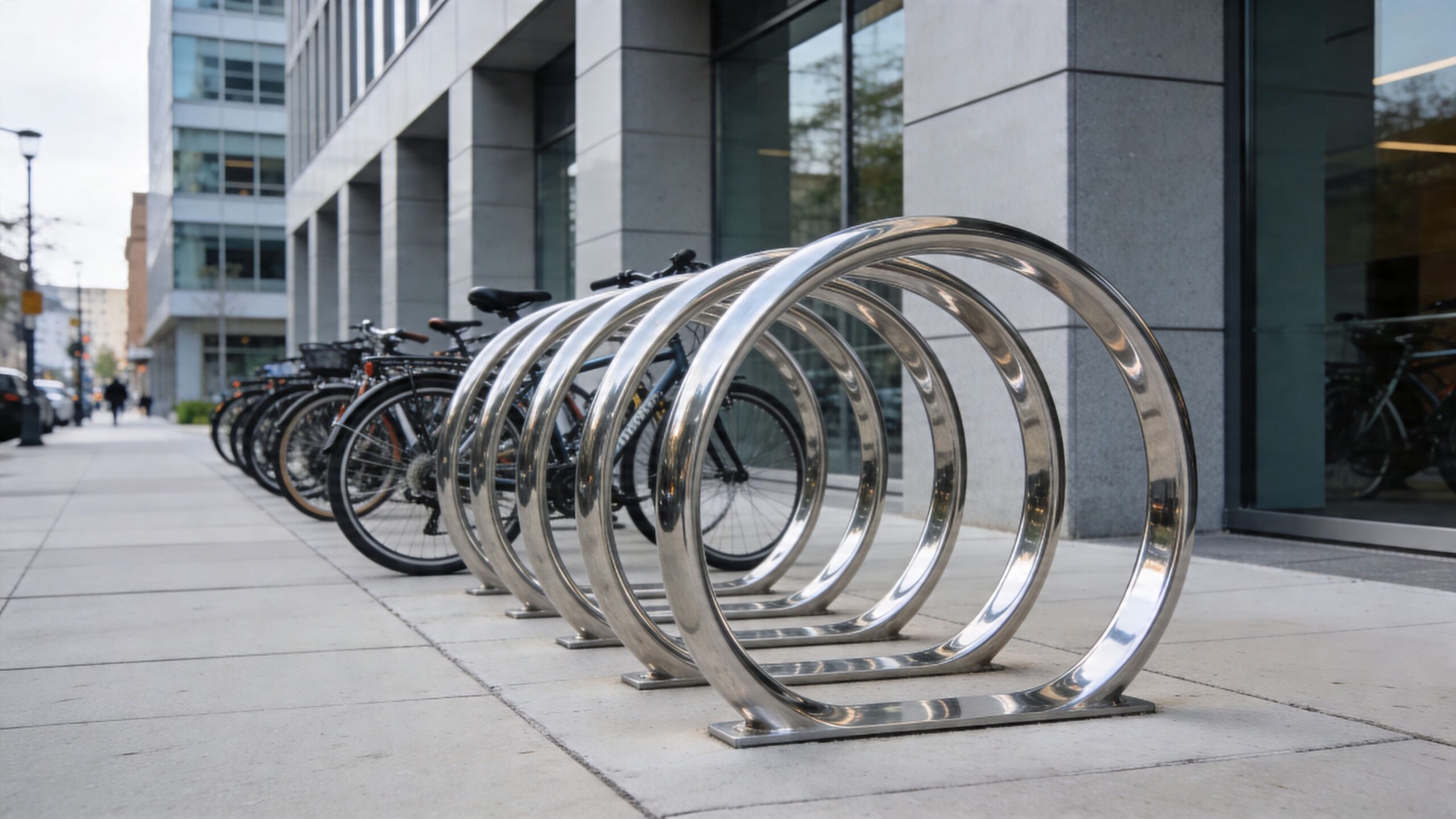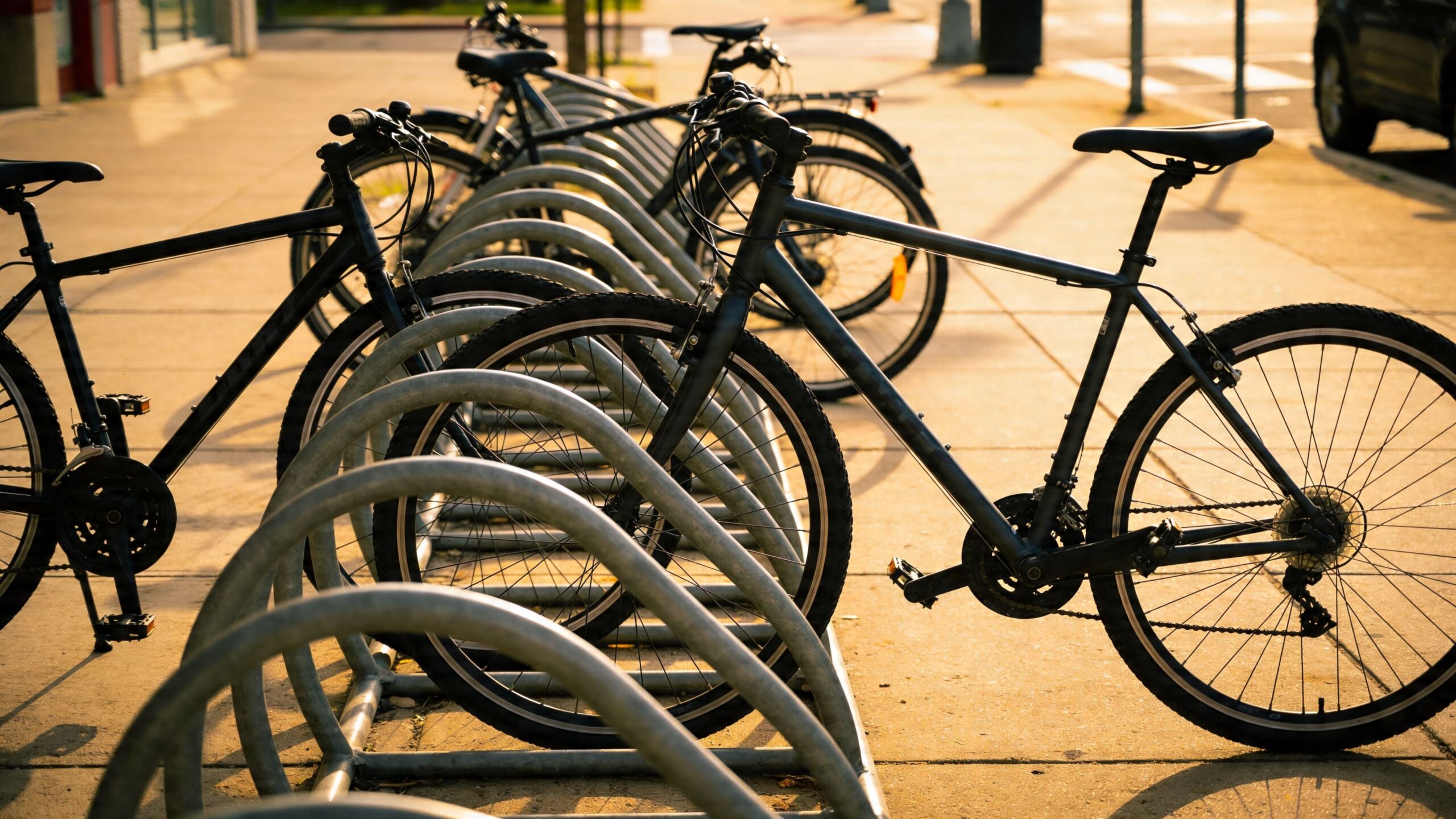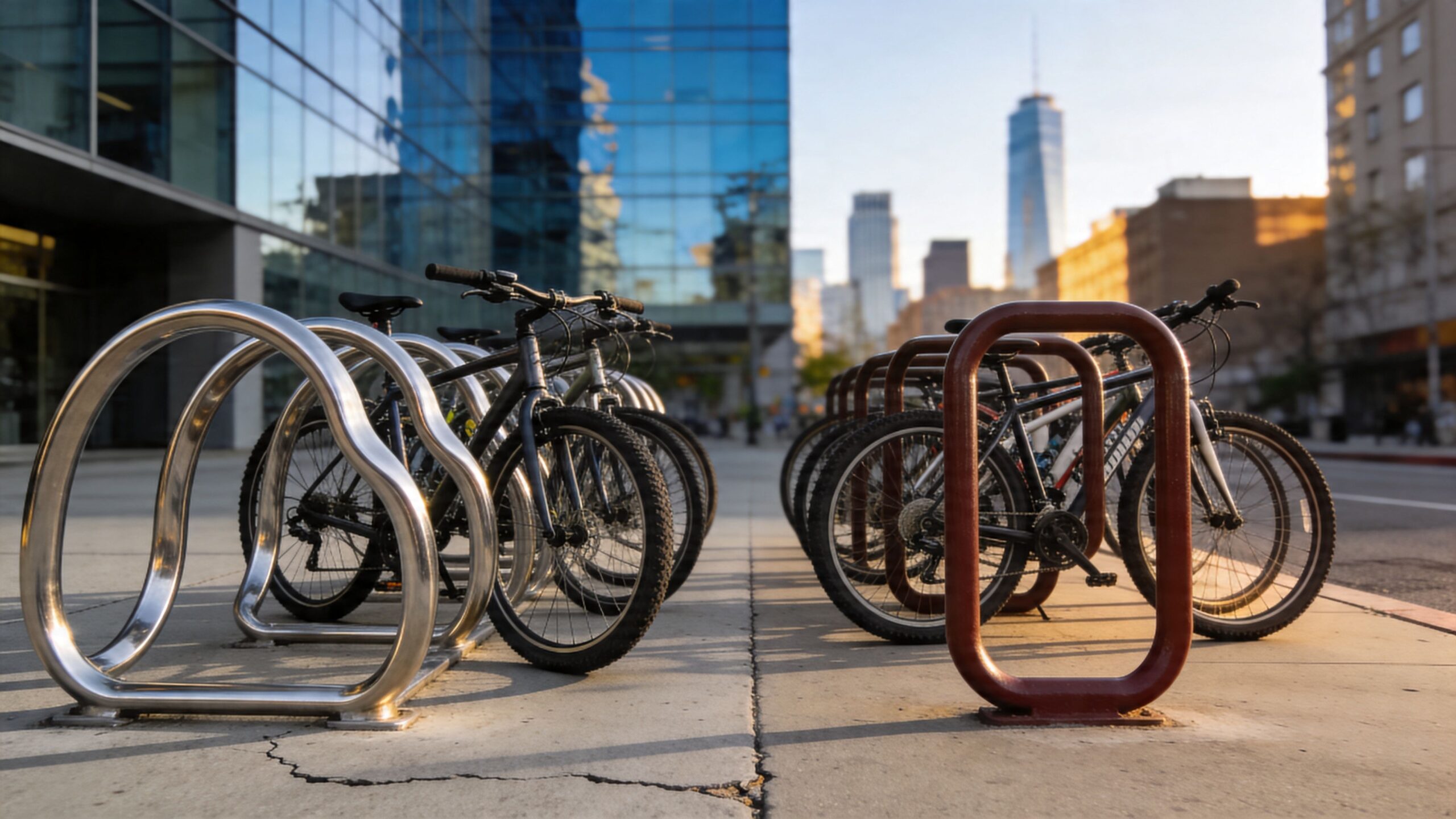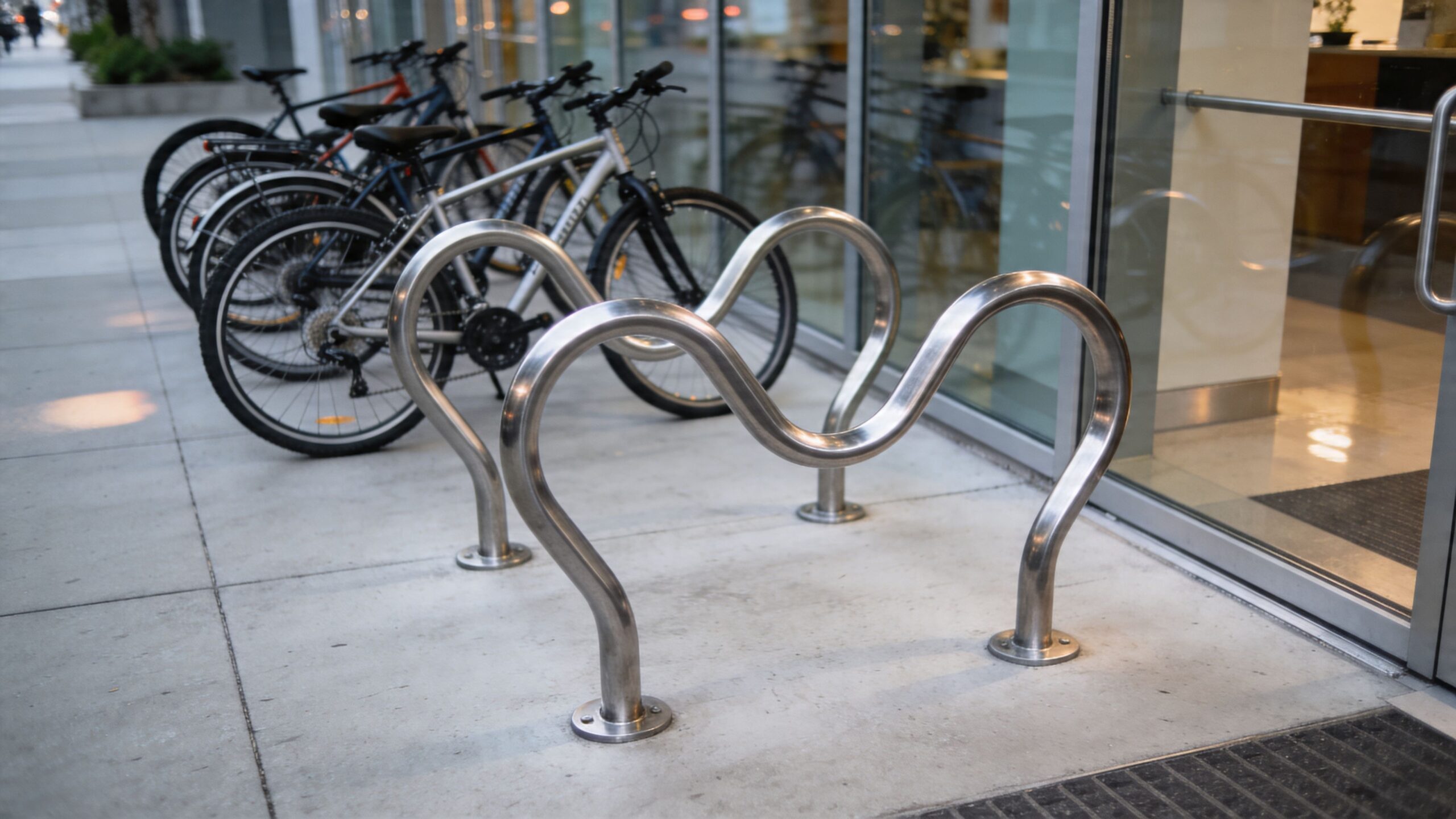
Wave bike racks often go unnoticed until they’re needed, yet they play a critical role in shaping how people experience a property. They are more than a place to lock a bicycle—they represent accessibility, organization, and a subtle invitation for people to choose cycling as part of their daily routine. When thoughtfully selected, a wave bike rack can elevate a space, making it feel more complete, more intentional, and more accommodating to modern transportation habits. The right rack doesn’t just serve cyclists; it enhances the flow of the entire environment. It keeps sidewalks clear, prevents bikes from being locked to unintended structures, and creates a designated, orderly parking area. Whether for a commercial property, residential complex, or public space, choosing the right wave bike rack is a decision that blends design, practicality, and long-term planning.
A: It depends on the rack length, curve spacing, and surrounding clearance; real usable capacity is often lower than the most optimistic manufacturer claim.
A: Yes, when they allow the frame to be locked properly and are firmly anchored in a visible, well-lit area.
A: Surface-mount works well on existing concrete, while in-ground options are often preferred for new construction and more permanent installations.
A: Powder-coated, galvanized, or stainless finishes are common choices, with the best option depending on climate, budget, and maintenance expectations.
A: Close to building entrances, on a clear route, under good lighting, and in a spot that is easy to see but does not block pedestrian movement.
A: Yes, they are widely used on both because they are simple, familiar, and versatile across many types of riders and bikes.
A: They can be, but heavier bikes benefit from generous spacing, strong anchoring, and layouts that make maneuvering easier.
A: Not always, but adding shelter can improve user satisfaction, protect bikes from weather, and make the parking area feel more intentional.
A: At minimum, inspect them periodically for loosened anchors, coating damage, rust, and structural wear; busy properties may need more frequent checks.
A: Choosing a decent rack but placing it in a cramped, hidden, or inconvenient location where riders are unlikely to use it properly.
The Power Behind the Curve: Why Wave Racks Work
The wave bike rack’s signature design is both simple and highly functional. Its continuous, flowing curves create multiple locking points along a single structure, allowing several bikes to be secured at once. This design accommodates a wide range of bicycle styles, from road bikes to mountain bikes, without forcing users into rigid positioning.
What makes the wave design particularly effective is its flexibility. Cyclists can approach from either side, lock their bikes at different angles, and still maintain enough space to avoid crowding. This adaptability makes it ideal for shared spaces where user behavior can be unpredictable.
However, not all wave racks deliver the same experience. The distance between curves, the height of the rack, and the thickness of the tubing all influence how easy it is to use. A well-designed wave rack feels intuitive and effortless, while a poorly designed one can create frustration and limit capacity. Understanding these nuances is key to making a smart choice.
Reading the Space: Choosing Based on Your Environment
Every property has its own rhythm, and the bike rack you choose should align with it. A busy retail strip, for example, requires a rack that can handle frequent turnover and constant use. In this setting, durability and accessibility are paramount. The rack should be placed where it’s easy to spot and convenient to use, ideally near entrances without obstructing foot traffic.
In contrast, a residential property may prioritize a quieter, more integrated approach. Here, the rack might be placed in a designated parking area, blending into the surroundings while still offering reliable functionality. Parks and recreational areas present another scenario entirely, where racks must withstand weather exposure while complementing natural landscapes.
Understanding the environment helps guide decisions about size, placement, and materials. It ensures that the rack feels like a natural extension of the space rather than an afterthought.
Capacity That Reflects Reality, Not Just Numbers
One of the most overlooked aspects of choosing a wave bike rack is capacity planning. Manufacturers often provide a maximum number of bikes a rack can hold, but real-world usage rarely matches those numbers. Cyclists need space to maneuver, lock their bikes securely, and avoid interference with neighboring bikes.
A more practical approach is to plan for slightly fewer bikes than the stated capacity. This creates a more comfortable and user-friendly experience, reducing congestion and making the rack easier to use. It also prevents the common issue of overlapping handlebars and tangled wheels, which can discourage proper use.
If your property expects high demand, it may be better to install multiple smaller racks rather than one large unit. This distributes traffic more evenly and allows for better spacing. Thoughtful capacity planning ensures that the rack serves its purpose effectively without creating new challenges.
Built to Last: Materials That Stand the Test of Time
Outdoor fixtures are constantly exposed to the elements, and wave bike racks are no exception. Choosing the right material is essential for ensuring longevity and maintaining a clean, professional appearance over time.
Steel is a popular choice due to its strength and affordability. Galvanized steel offers added protection against rust, making it suitable for most environments. Stainless steel provides an even higher level of corrosion resistance, along with a sleek, modern look that works well in upscale settings. Powder-coated finishes add both protection and visual appeal, allowing for customization that aligns with your property’s design.
Beyond the material itself, construction quality plays a major role in durability. Strong welds, thick tubing, and high-quality mounting hardware all contribute to a rack’s ability to withstand daily use. Investing in a durable rack from the start reduces maintenance needs and ensures that it continues to perform well over time.
Installation Choices That Shape Performance
How a wave bike rack is installed has a direct impact on its stability and usability. Surface-mounted racks are attached to existing concrete or asphalt using bolts. This method is relatively quick and allows for future relocation if needed, making it a flexible option for evolving spaces.
In-ground installation, on the other hand, involves embedding the rack into concrete. This approach provides superior stability and resistance to tampering, making it ideal for high-traffic or high-security areas. While it requires more effort upfront, it offers long-term reliability that can be especially valuable in public or commercial settings.
Choosing between these methods depends on your priorities. If flexibility is important, surface mounting may be the better choice. If maximum stability and security are the goal, in-ground installation is often worth the additional investment.
Designing with Intention: Aesthetic and Brand Alignment
A wave bike rack can be more than a functional element—it can also contribute to the visual identity of your property. Its clean, flowing lines naturally complement a wide range of architectural styles, from modern urban developments to more traditional environments.
Color and finish are key factors in achieving this integration. A neutral finish can help the rack blend seamlessly into its surroundings, while a bold color can make it stand out as a design feature. Some properties use custom colors to align with branding, turning the rack into a subtle extension of their identity.
Placement also plays a role in aesthetics. Positioning the rack near landscaping, lighting, or architectural features can enhance its presence and make it feel intentional. When design and function work together, the result is a cohesive space that feels both practical and visually appealing.
Creating Confidence: Security and Ease of Use
For cyclists, a bike rack is only as good as its ability to provide security. The wave design allows users to lock both the frame and wheels of their bikes, which is essential for preventing theft. The rack should be easy to access from multiple angles, accommodating different locking styles without awkward positioning.
Ease of use is just as important as security. A rack that is too low, too high, or poorly spaced can create frustration and discourage use. Smooth edges, comfortable height, and intuitive spacing all contribute to a better experience. When users feel confident and comfortable, they are more likely to use the rack consistently.
Security also extends to the rack itself. Strong construction and tamper-resistant hardware help ensure that it remains a reliable fixture over time. By focusing on both user security and product durability, you create a solution that builds trust and encourages repeat use.
Thinking Ahead: Planning for Growth and Change
As cycling continues to gain popularity, the demand for bike parking is likely to increase. Choosing a wave bike rack with future needs in mind can save time and resources later on. This might involve selecting a larger rack than currently necessary or designing a layout that allows for easy expansion. Consider how your property may evolve. Increased foot traffic, new developments, or changing user habits can all impact demand for bike parking. Planning ahead ensures that your investment remains relevant and effective over time. Future-proofing isn’t just about capacity—it’s also about adaptability. Flexible layouts, durable materials, and thoughtful placement all contribute to a solution that can grow with your property. By taking a long-term view, you ensure that your wave bike rack continues to serve its purpose well into the future.