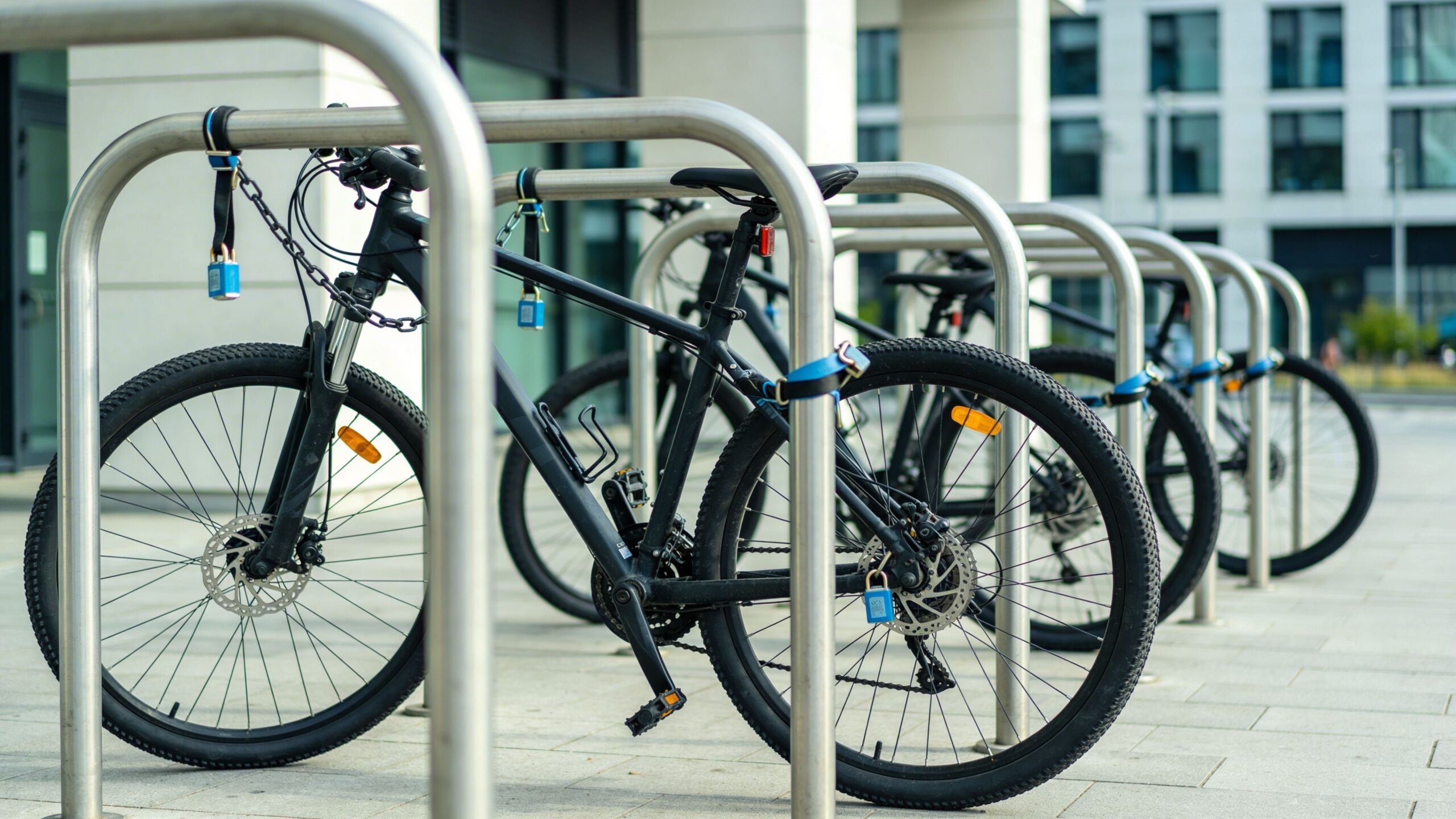
In cities that prioritize mobility, sustainability, and public well-being, small infrastructure decisions often have the biggest impact. Among these, the humble U-shaped bike rack stands as one of the most effective and widely adopted solutions for secure bicycle parking. Also known as inverted U racks or staple racks, these structures are deceptively simple, yet they play a critical role in encouraging cycling by providing a safe, reliable place for riders to lock their bikes. As urban planners, business owners, and community developers continue to invest in cyclist-friendly environments, choosing the right bike rack becomes more than a functional decision. It becomes a statement about accessibility, safety, and long-term usability. The best U-shaped bike racks for public spaces combine durability, smart design, and aesthetic appeal, all while meeting the practical needs of everyday riders.
A: Because they support the bike frame and let riders lock the frame securely, rather than relying on a single wheel.
A: In most cases, one properly installed U-rack can hold 2 bikes—one on each side.
A: Yes, if they use strong hardware and are installed into a suitable concrete surface with tamper-resistant anchoring.
A: In-ground models are often preferred when maximum permanence, tamper resistance, or new-site construction makes embedded installation practical.
A: Cramming too many racks into too little space, which makes them frustrating to use and reduces actual parking capacity.
A: Yes, many do, especially sturdy models with enough spacing and maneuvering room for heavier bikes.
A: Usually yes—placing them near visible, convenient entry points increases use and improves security through natural observation.
A: It depends on the environment, but galvanized and stainless options are often strong choices for long-term outdoor durability.
A: Sometimes, but only when the decorative shape still allows solid frame support and easy locking with common bike locks.
A: Its combination of simple design, strong frame support, easy locking access, broad bike compatibility, and dependable long-term durability.
Why U-Shaped Bike Racks Dominate Public Spaces
The widespread adoption of U-shaped bike racks is no accident. Their design addresses the most important concerns cyclists have when parking their bikes: stability, security, and simplicity. Unlike wheel-bender racks that support only a single point of contact, U-shaped racks allow cyclists to secure both the frame and at least one wheel, significantly reducing the risk of theft.
These racks also accommodate a wide variety of bicycles, from road bikes and mountain bikes to cargo bikes and e-bikes. Their open design ensures that users can approach from either side, making them highly efficient in busy urban areas where space and time are limited. This versatility is one of the primary reasons municipalities and businesses alike favor them over more complicated alternatives.
Beyond functionality, U-shaped racks are also easy to install and maintain. Whether embedded directly into concrete or mounted with surface plates, they offer long-term reliability with minimal upkeep. This combination of user-friendly design and operational efficiency makes them the gold standard for public bike parking.
Materials That Define Strength and Longevity
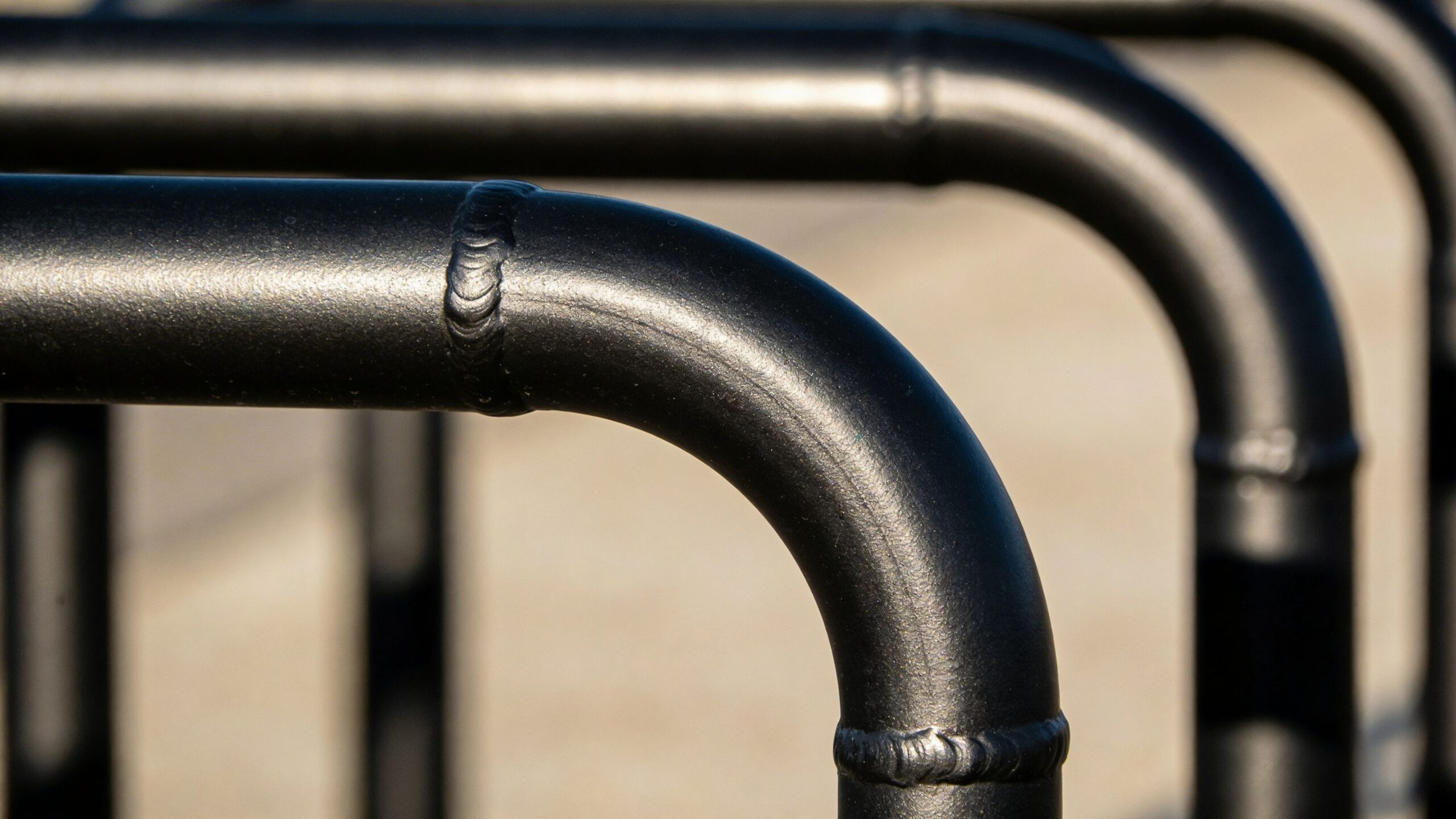
When evaluating the best U-shaped bike racks for public spaces, material selection is one of the most critical factors. Public infrastructure must endure constant use, exposure to weather, and the occasional misuse, all without compromising performance. High-quality racks are typically constructed from steel, with variations in finish and coating that enhance durability.
Galvanized steel is a popular choice due to its resistance to rust and corrosion. The galvanization process involves coating the steel with a layer of zinc, which acts as a protective barrier against moisture and environmental damage. This makes it especially suitable for outdoor installations in regions with harsh winters or frequent rainfall.
Powder-coated steel offers another layer of protection while adding visual appeal. Available in a range of colors, powder coating allows racks to blend seamlessly with surrounding architecture or stand out as intentional design elements. Stainless steel, while often more expensive, provides exceptional durability and a sleek, modern appearance that works well in high-end commercial or urban environments.
The best racks strike a balance between cost, durability, and aesthetics, ensuring they can withstand years of use without significant degradation.
Design Details That Make a Real Difference
While all U-shaped racks share a similar silhouette, subtle design variations can significantly impact usability and effectiveness. One of the most important considerations is the diameter of the tubing. Racks that are too thin may lack structural integrity, while those that are too thick can be difficult to grip with standard bike locks. The ideal diameter typically falls between 1.5 and 2 inches, offering a strong yet accessible surface.
Height and width also play a role in user experience. A well-designed rack should be tall enough to support the bike frame securely but not so tall that it becomes unstable. Similarly, the width should accommodate different bike sizes without allowing excessive movement. Standard dimensions have evolved over time to meet these needs, but variations still exist depending on the intended use and location.
Spacing between racks is another critical factor in public installations. Proper spacing ensures that multiple bikes can be parked without interference, maximizing capacity while maintaining accessibility. In high-traffic areas, thoughtful layout planning can make the difference between a functional parking solution and a frustrating bottleneck.
Anchoring Methods and Installation Considerations
Even the best-designed bike rack is only as effective as its installation. In public spaces, where safety and security are paramount, choosing the right anchoring method is essential. There are two primary installation approaches: in-ground mounting and surface mounting.
In-ground mounting involves embedding the rack directly into concrete, creating a permanent and highly secure installation. This method is often preferred for new construction projects or areas where long-term stability is a priority. The embedded design makes it extremely difficult to remove or tamper with the rack, providing peace of mind for both users and property owners.
Surface mounting, on the other hand, uses base plates and anchor bolts to secure the rack to an existing surface. This approach offers greater flexibility, allowing racks to be installed or relocated as needed. While slightly less secure than in-ground mounting, high-quality surface-mounted racks with tamper-resistant hardware can still provide excellent performance in most public settings.
Proper installation also involves considering drainage, accessibility, and compliance with local regulations. Thoughtful placement ensures that racks do not obstruct pedestrian pathways or create hazards, while also making them easy to find and use.
Top U-Shaped Bike Rack Styles for Public Use
The market offers a wide range of U-shaped bike racks, each tailored to specific environments and design preferences. Classic inverted U racks remain the most popular choice due to their simplicity and proven effectiveness. These racks feature a straightforward loop design that accommodates two bikes, one on each side, making them ideal for high-density areas.
Wave-style racks, while visually appealing, often sacrifice some functionality in favor of aesthetics. Although they can hold multiple bikes, they may not provide the same level of support and security as traditional U-shaped designs. For public spaces where reliability is critical, the classic inverted U remains the superior option.
Artistic or custom-designed racks have gained popularity in recent years, particularly in urban areas seeking to enhance their visual identity. These racks incorporate unique shapes or themes while maintaining the core functionality of the U-shape. When executed well, they can serve as both practical infrastructure and public art, contributing to the character of a space.
Heavy-duty models designed for high-traffic environments often feature reinforced tubing and additional support structures. These racks are built to withstand constant use and potential abuse, making them suitable for transit hubs, schools, and commercial centers.
Enhancing Urban Design Through Bike Rack Placement
The placement of bike racks plays a crucial role in their effectiveness. Even the best racks will go unused if they are not conveniently located. Successful public installations prioritize visibility, accessibility, and proximity to key destinations.
Placing racks near building entrances encourages use by making parking quick and convenient. Visibility also acts as a deterrent to theft, as bikes parked in well-lit, high-traffic areas are less likely to be targeted. Integrating racks into existing streetscapes, such as along sidewalks or within plazas, ensures they become a natural part of the urban environment.
Design consistency is another important consideration. Coordinating bike rack styles with other street furniture, such as benches, lighting, and signage, creates a cohesive visual experience. This attention to detail reinforces the idea that cycling infrastructure is an integral part of the community, not an afterthought.
Incorporating landscaping elements, such as planters or trees, can further enhance the appeal of bike parking areas. By creating inviting, well-designed spaces, cities and businesses can encourage more people to choose cycling as a viable mode of transportation.
Sustainability and the Future of Bike Parking
As cities continue to evolve toward more sustainable and people-centered design, the role of bike infrastructure will only grow. U-shaped bike racks, with their proven reliability and adaptability, are well-positioned to remain a cornerstone of this movement.
Advancements in materials and manufacturing processes are making racks more durable and environmentally friendly. Recycled metals, low-impact coatings, and energy-efficient production methods are becoming increasingly common, aligning with broader sustainability goals. These innovations not only reduce environmental impact but also extend the lifespan of the racks, providing better value over time.
Smart technology is also beginning to influence bike parking solutions. While traditional U-shaped racks remain largely analog, some installations are integrating features such as built-in locking mechanisms, tracking systems, or connectivity with mobile apps. These enhancements aim to improve security and convenience, particularly in high-demand urban areas.
Despite these innovations, the core principles of effective bike parking remain unchanged. Simplicity, durability, and user-centered design continue to define the best solutions. U-shaped bike racks embody these principles, offering a timeless approach to a modern challenge.
Building Better Communities One Rack at a Time
The impact of well-designed bike infrastructure extends far beyond convenience. It shapes how people move through cities, how businesses engage with their communities, and how public spaces are experienced. U-shaped bike racks, though modest in appearance, play a vital role in this transformation. By providing secure, accessible parking, these racks remove one of the key barriers to cycling. They signal to residents and visitors alike that cycling is not only welcomed but supported. This, in turn, encourages healthier lifestyles, reduces traffic congestion, and contributes to a more sustainable urban environment. Choosing the best U-shaped bike racks for public spaces is an investment in the future. It reflects a commitment to thoughtful design, long-term durability, and the needs of a growing community of cyclists. As cities continue to prioritize active transportation, these simple yet powerful structures will remain at the heart of the journey toward more livable, connected spaces.