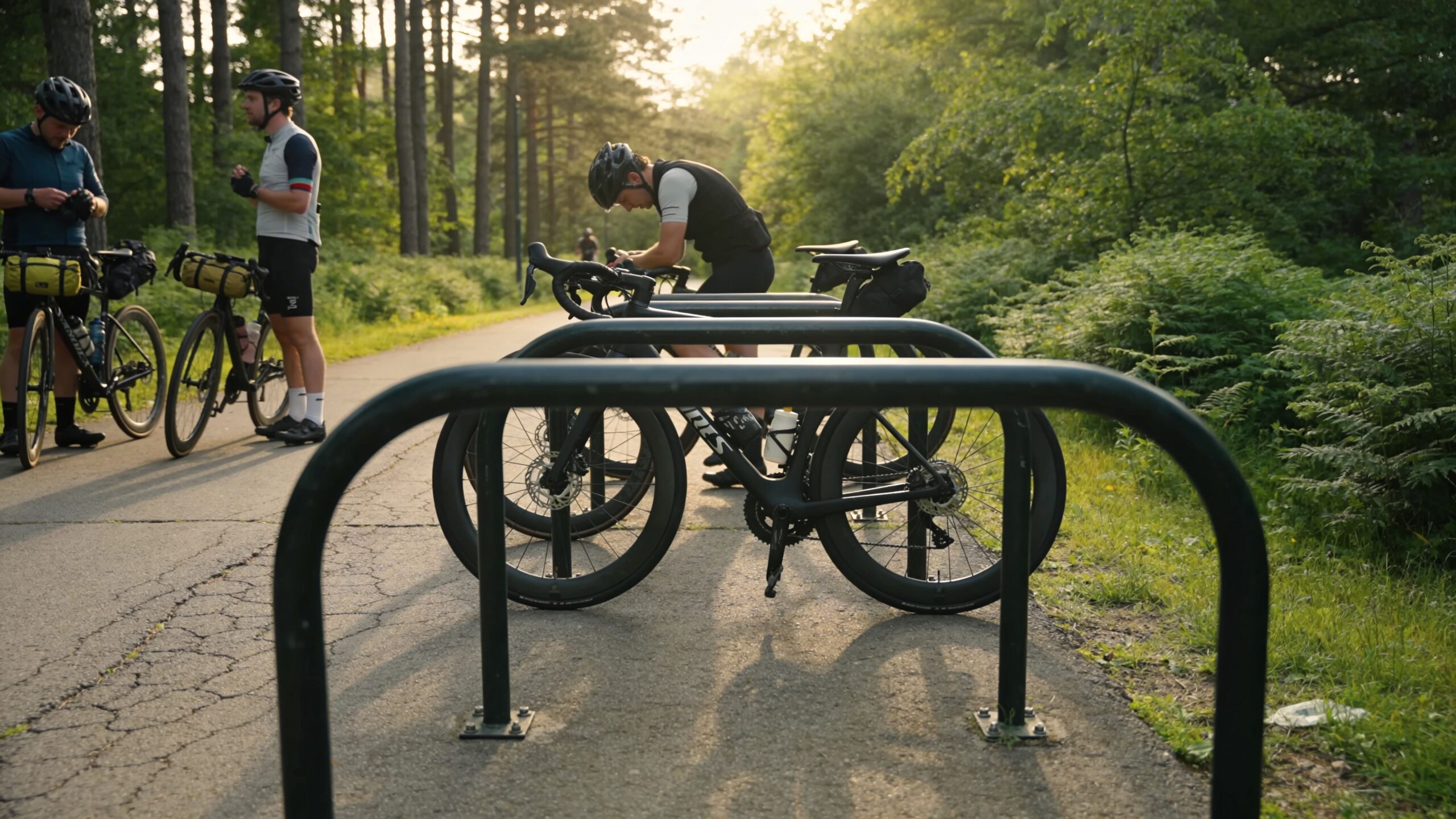
In parks and along scenic trails, the experience of cycling doesn’t end when the ride stops. It extends into how easily riders can pause, explore, and return without worrying about their bikes. This is where U-shaped bike racks quietly become essential. Positioned at trailheads, near rest areas, and alongside park amenities, they provide a seamless transition between movement and rest, reinforcing the idea that outdoor spaces are built for both recreation and convenience. Unlike urban installations focused on density and turnover, bike racks in parks and trails must balance durability with environmental harmony. They need to withstand weather, blend into natural surroundings, and remain intuitive for users of all ages. The best U-shaped bike racks for these environments are not just functional—they enhance the outdoor experience without disrupting it.
A: Because they support the bike frame and let riders lock the frame securely, rather than relying on a single wheel.
A: In most cases, one properly installed U-rack can hold 2 bikes—one on each side.
A: Yes, if they use strong hardware and are installed into a suitable concrete surface with tamper-resistant anchoring.
A: In-ground models are often preferred when maximum permanence, tamper resistance, or new-site construction makes embedded installation practical.
A: Cramming too many racks into too little space, which makes them frustrating to use and reduces actual parking capacity.
A: Yes, many do, especially sturdy models with enough spacing and maneuvering room for heavier bikes.
A: Usually yes—placing them near visible, convenient entry points increases use and improves security through natural observation.
A: It depends on the environment, but galvanized and stainless options are often strong choices for long-term outdoor durability.
A: Sometimes, but only when the decorative shape still allows solid frame support and easy locking with common bike locks.
A: Its combination of simple design, strong frame support, easy locking access, broad bike compatibility, and dependable long-term durability.
Why U-Shaped Racks Excel in Natural Settings
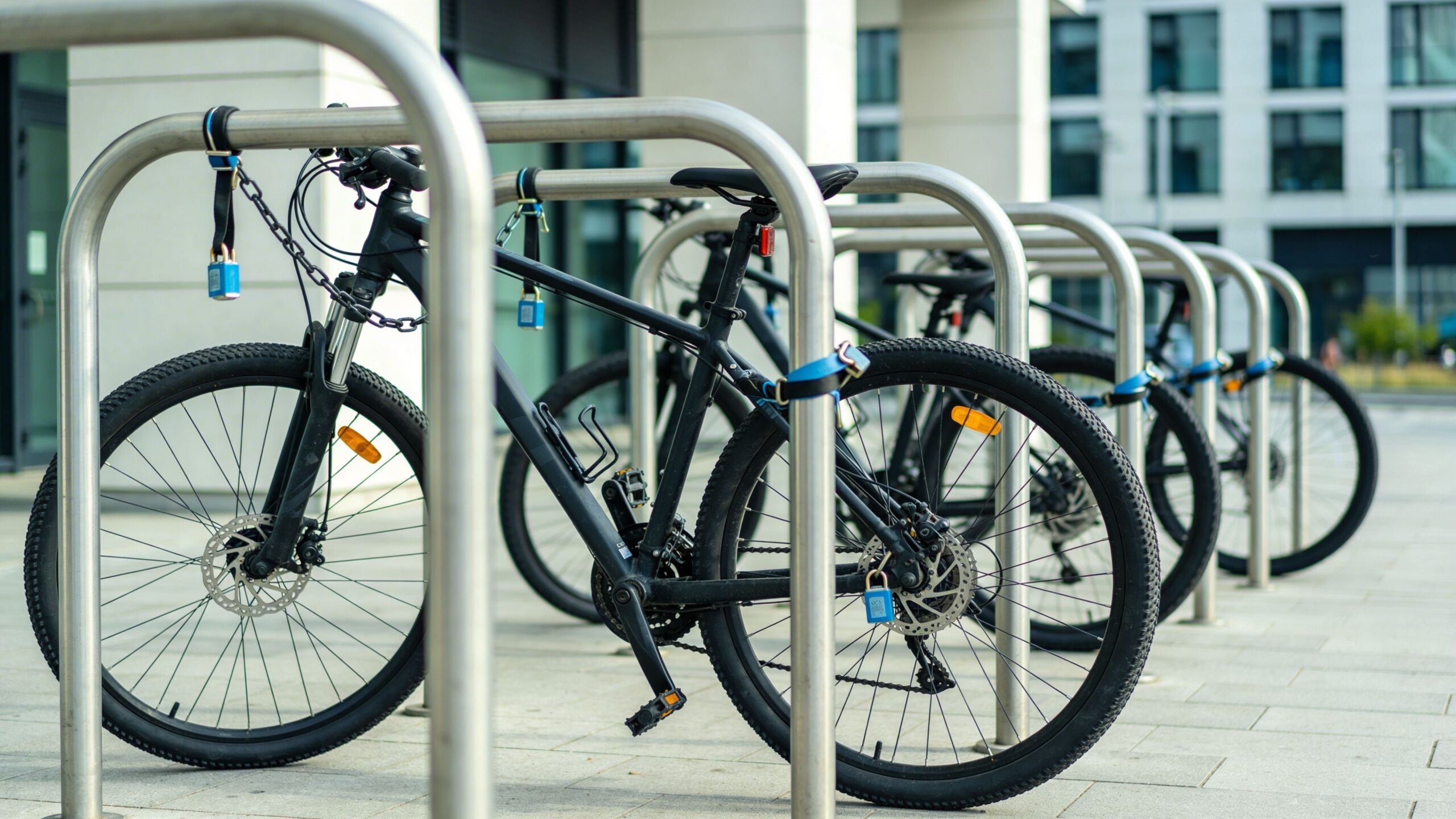
U-shaped bike racks, often referred to as inverted U racks, have become the standard for outdoor bicycle parking due to their unmatched practicality. Their simple form allows cyclists to secure both the frame and wheels, which is widely recognized as the most effective way to prevent theft and ensure stability . This is especially important in parks and trail systems where users may leave their bikes unattended for extended periods while hiking, picnicking, or exploring nearby attractions.
Their open design also accommodates a wide variety of bikes, from lightweight road models to rugged mountain bikes and even cargo or e-bikes. In trail environments, where bike types can vary significantly, this versatility is critical. Riders don’t want to struggle with awkward or incompatible racks after a long ride, and U-shaped designs eliminate that friction.
Additionally, these racks promote better parking behavior. Because they naturally guide users to lock their bikes securely, they reduce the likelihood of improper locking—a factor that cyclists themselves often recognize as a major advantage in real-world use. In environments where supervision is limited, this built-in guidance becomes even more valuable.
Built to Endure: Materials for Parks and Trails
Outdoor bike racks in parks and trail systems face a unique set of challenges. Unlike urban installations, they are often exposed to harsher environmental conditions with less frequent maintenance. Rain, snow, UV exposure, and even wildlife can take a toll on poorly constructed equipment. This is why material selection is one of the most important considerations.
Steel remains the dominant material due to its strength and longevity. Galvanized steel, in particular, is highly resistant to rust and corrosion, making it ideal for humid or variable climates. Powder-coated finishes add another layer of protection while allowing for subtle color integration that complements natural landscapes.
Stainless steel offers a more polished appearance and exceptional resistance to the elements, though it is often reserved for high-traffic or premium park installations due to its higher cost. In eco-sensitive areas, some manufacturers are also exploring recycled metals and environmentally friendly coatings, aligning infrastructure with sustainability goals.
The durability of these materials ensures that racks can withstand years of use without significant degradation, reducing the need for frequent replacements and minimizing environmental impact.
Design That Respects Nature and Function
The best U-shaped bike racks for parks and trails are designed with both users and surroundings in mind. While the core structure remains consistent, subtle design choices can significantly influence how well a rack performs in these environments.
Tubing diameter is one such detail. Racks must be thick enough to resist cutting or tampering, yet slim enough to allow standard locks to wrap securely around both the bike and the rack. Striking this balance ensures both security and ease of use.
Height and spacing are equally important. In trail settings, where users may be carrying gear or managing multiple bikes, racks need to provide enough room for comfortable maneuvering. Proper spacing prevents overcrowding and ensures that bikes can be parked without tangling handlebars or pedals.
Aesthetic considerations also play a role. In natural environments, racks that feature earth-toned finishes or minimalist designs help maintain the visual integrity of the space. Some installations even incorporate artistic elements inspired by local landscapes, blending infrastructure with the surrounding scenery.
Placement Strategies That Maximize Use
Even the most well-designed bike rack will go underutilized if it is poorly placed. In parks and trail systems, placement is about understanding user behavior and aligning infrastructure with natural flow.
Trailheads are among the most critical locations. These entry points serve as hubs where cyclists transition into other activities, making them ideal for high-capacity rack installations. Placing racks near restrooms, picnic areas, and visitor centers further increases their visibility and convenience.
Visibility itself is a key factor. Racks positioned in open, well-lit areas are more likely to be used and less likely to attract theft. Cyclists prefer to park where they can easily keep an eye on their bikes, even in low-risk environments.
Integration with existing pathways is another important consideration. Racks should be accessible without requiring cyclists to navigate obstacles or leave designated paths. Smooth, intuitive placement encourages consistent use and reinforces the overall functionality of the space.
Top U-Shaped Bike Rack Styles for Outdoor Recreation
Within the category of U-shaped racks, several styles stand out as particularly well-suited for parks and trails. Classic inverted U racks remain the most reliable choice, offering a straightforward design that accommodates two bikes and provides excellent stability. Their simplicity makes them easy to install and maintain, which is a significant advantage in remote or less frequently serviced areas.
Heavy-duty U racks are another popular option, especially in high-traffic parks or popular trail systems. These racks feature thicker tubing and reinforced anchoring systems, ensuring they can handle constant use without bending or loosening over time.
Decorative U-shaped racks are increasingly being used in parks that emphasize design and visitor experience. These racks incorporate artistic elements while maintaining the core functionality of the U-shape, allowing them to serve as both practical infrastructure and visual enhancements.
Modular U-rack systems, which connect multiple racks in a continuous line, are ideal for larger installations. They provide scalability and consistency, making it easier to expand bike parking as demand grows.
Enhancing the Outdoor Experience Through Infrastructure
Bike racks may seem like a small detail, but their impact on the overall park experience is significant. When thoughtfully designed and strategically placed, they remove barriers to exploration and encourage visitors to engage more fully with their surroundings.
For families, accessible bike parking makes it easier to transition between cycling and other activities. For long-distance riders, it provides a secure place to rest and refuel. For park managers, it represents an opportunity to promote sustainable transportation and reduce congestion in parking areas.
The presence of high-quality bike racks also signals a commitment to inclusivity. It tells visitors that cyclists are not just accommodated but welcomed. This subtle message can influence behavior, encouraging more people to choose biking as a primary mode of transportation to and within parks.
The Future of Bike Parking on Trails and Greenways
As outdoor recreation continues to grow in popularity, the demand for reliable bike infrastructure will only increase. U-shaped bike racks are well-positioned to meet this demand due to their proven effectiveness and adaptability. Emerging trends are likely to focus on sustainability and integration. Materials that reduce environmental impact, designs that blend seamlessly with natural landscapes, and layouts that support multi-use trails will define the next generation of bike parking solutions. Technology may also play a role, with innovations such as smart locking systems or integrated sensors enhancing security and user experience. However, the fundamental principles that make U-shaped racks effective—simplicity, durability, and accessibility—will remain unchanged. In parks and along trails, where the goal is to connect people with nature, infrastructure must support that connection without overshadowing it. The best U-shaped bike racks achieve this balance, providing essential functionality while preserving the beauty and integrity of the environment.