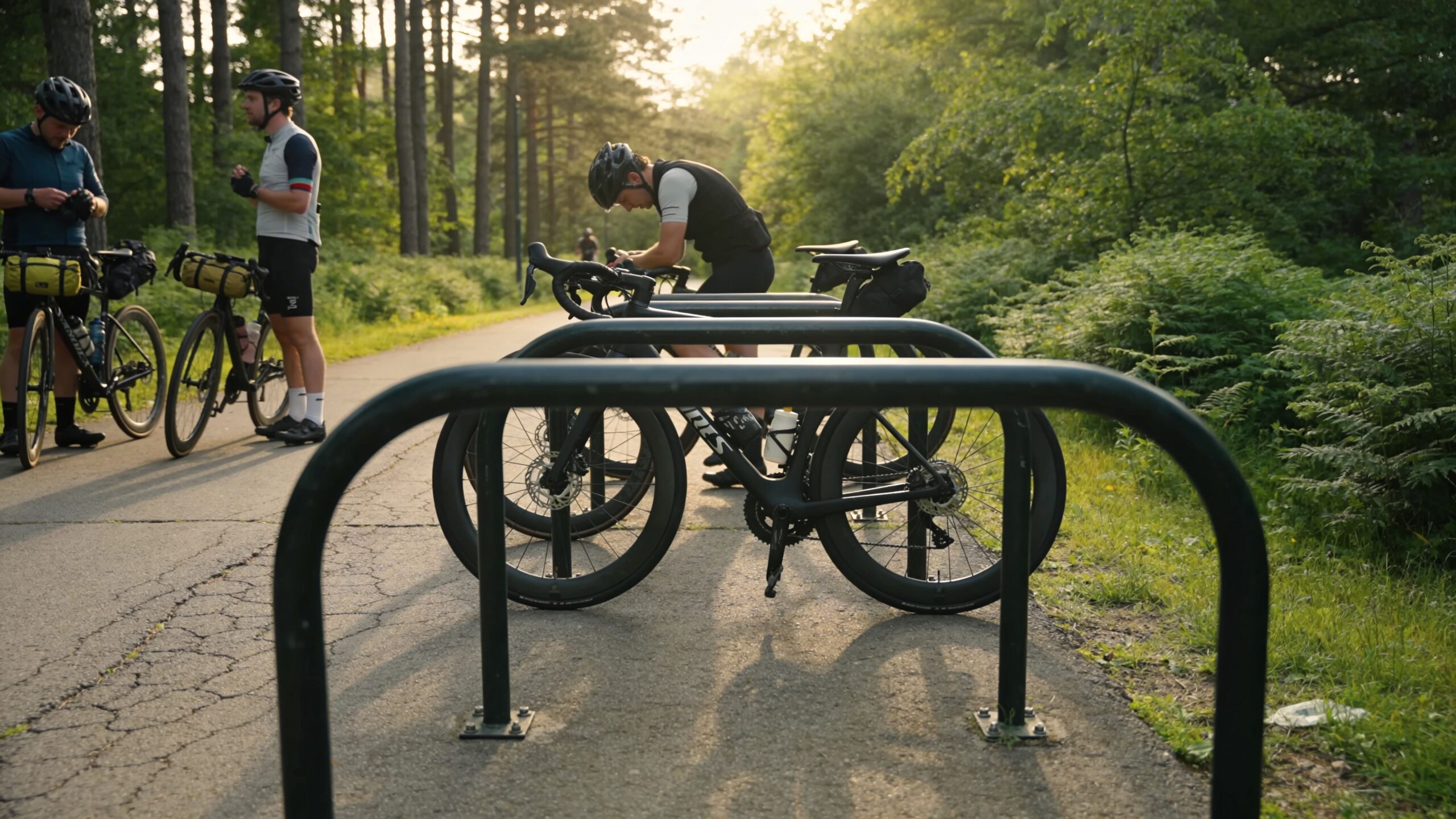
Stepping into the world of bike racks can feel surprisingly complex, especially for beginners who may assume all racks are essentially the same. U-shaped bike racks, often referred to as staple racks, stand out as one of the most trusted and widely used designs in urban environments, parks, schools, and commercial spaces. Their simple form hides a thoughtful balance of durability, usability, and security, making them a go-to choice for both cyclists and property owners. This guide is designed to walk you through everything you need to know before making your first purchase, helping you understand not just what to buy, but why it matters. The U-shaped design has become a standard because it accommodates a wide variety of bikes while allowing for secure locking at multiple points. For beginners, this means less guesswork and more confidence in your investment. Whether you’re outfitting a small business, improving a public space, or simply upgrading your home setup, understanding the fundamentals of U-shaped bike racks will set you up for long-term success.
A: A standard U-shaped rack is often the safest beginner choice because it is simple, secure, and widely trusted.
A: Most U-racks are designed to hold two bikes, one on each side, as long as the layout provides enough space.
A: Surface-mounted is often easier for retrofit projects, while in-ground is usually better for permanent new installations.
A: Powder-coated, galvanized, and stainless finishes are all common, with the best option depending on climate and maintenance goals.
A: Buying the rack first and thinking about spacing and placement later.
A: Usually only if they still function like a real security rack and allow easy frame locking.
A: Yes, many do, especially sturdy models with enough surrounding clearance.
A: In most public or unsupervised settings, yes—stronger tubing usually improves long-term durability and security.
A: Yes, some cities, campuses, and commercial developments have standards for bike parking quantity and placement.
A: Proven frame support, easy locking access, durable materials, solid anchoring, and a layout that fits the space well.
Why U-Shaped Bike Racks Dominate Modern Bike Parking
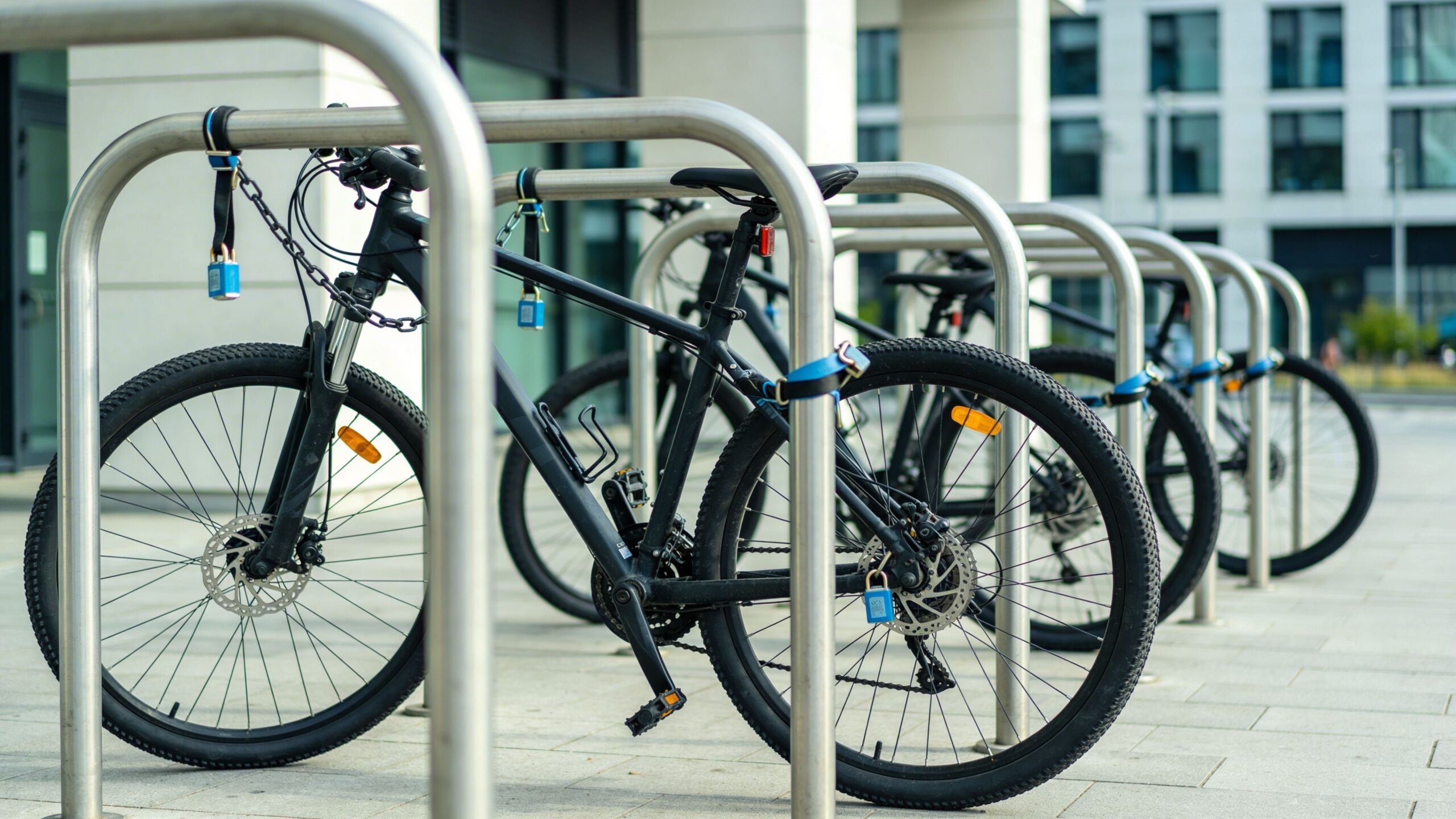
There’s a reason you see U-shaped bike racks in cities across the world—they simply work. Unlike more complex or decorative racks that sometimes sacrifice function for aesthetics, the U-shape prioritizes practicality. It allows cyclists to lock both the frame and wheels using standard U-locks, which significantly improves security compared to racks that only support a single wheel.
Another major advantage is versatility. U-shaped racks accommodate everything from road bikes and mountain bikes to e-bikes and cargo bikes. This flexibility is especially important in public or shared spaces where you don’t know what types of bikes will be used. For beginners, choosing a design that works for all scenarios eliminates the need to overthink compatibility.
Additionally, U-shaped racks are space-efficient. When installed correctly, they maximize parking density without creating clutter. This makes them ideal for areas with limited space, such as sidewalks or small parking lots. Their clean, minimalist design also integrates well with most environments, from modern urban landscapes to natural park settings.
Materials That Define Strength, Longevity, and Value
One of the most important decisions you’ll make when buying a U-shaped bike rack is choosing the right material. This choice directly impacts durability, maintenance requirements, and overall lifespan. Most high-quality racks are made from steel, which offers excellent strength and resistance to tampering. Within this category, you’ll often encounter options like galvanized steel and powder-coated steel.
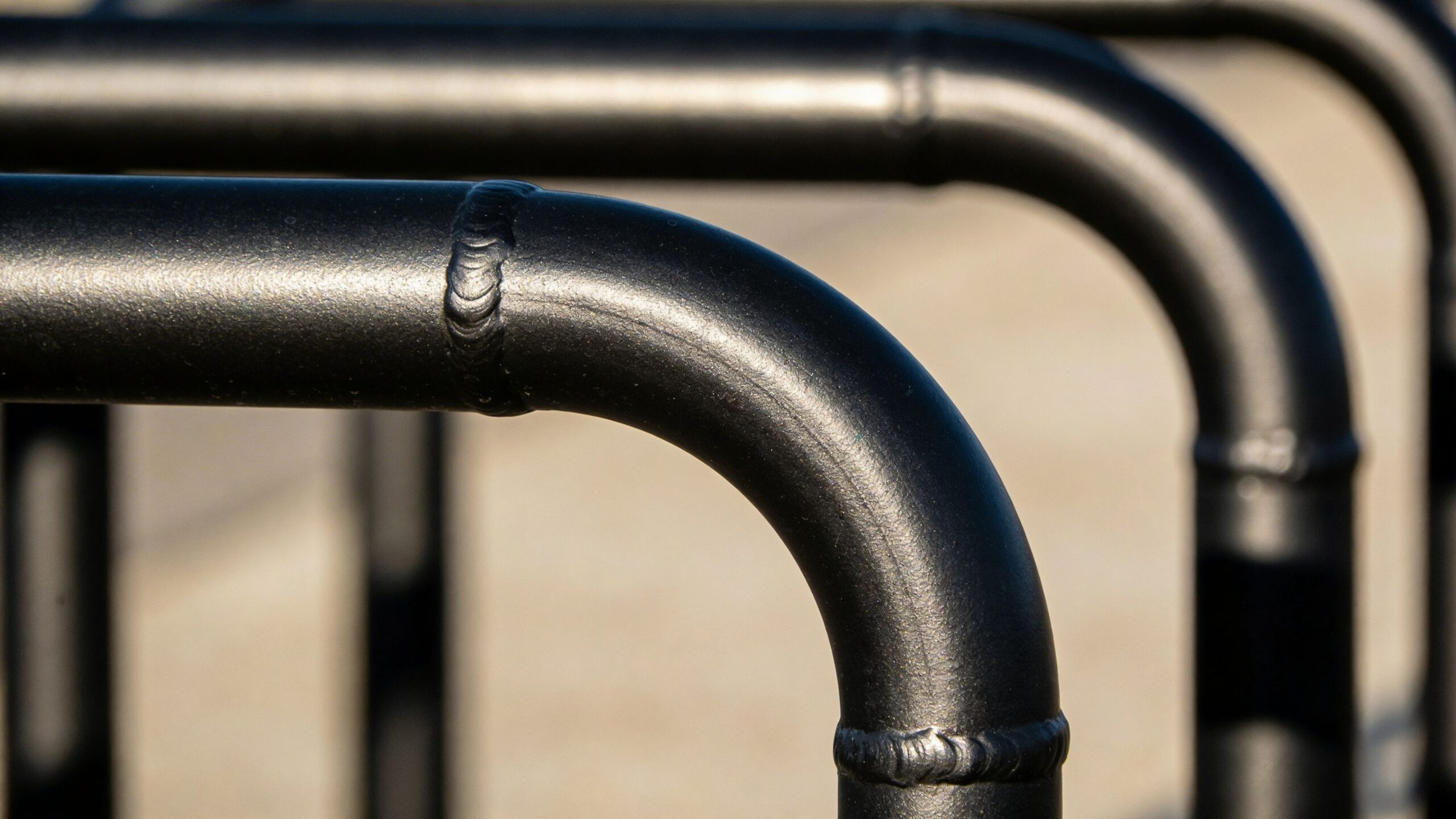
Powder-coated steel is particularly popular because it combines durability with aesthetic appeal. The coating protects against corrosion, scratches, and weather damage, making it suitable for outdoor use in a variety of climates. For beginners, this is often the best balance between cost and performance. It provides long-term reliability without requiring constant upkeep.
Galvanized steel, on the other hand, offers superior corrosion resistance, especially in harsh environments such as coastal areas or regions with heavy snowfall and road salt. While it may not have the same visual appeal as powder-coated finishes, its longevity makes it a strong contender for installations where durability is the top priority.
Understanding these material differences helps you align your purchase with your specific needs. If you’re installing a rack in a high-traffic public area, durability should be your primary focus. For residential or low-traffic settings, a powder-coated option may provide the perfect blend of style and function.
Size, Dimensions, and Spacing That Actually Work
At first glance, all U-shaped bike racks might look similar, but subtle differences in size and spacing can have a significant impact on usability. Standard racks typically range from 30 to 36 inches in height and about 24 inches in width. These dimensions are designed to support the frame of a bicycle comfortably while allowing enough room for secure locking.
Spacing between racks is another critical factor. Beginners often overlook this detail, but improper spacing can lead to overcrowding and frustration for users. A general rule of thumb is to allow at least 30 inches between racks to ensure easy access and prevent bikes from overlapping. This spacing not only improves user experience but also reduces the risk of damage to bikes.
The diameter of the tubing is also worth considering. Thicker tubing offers increased strength and resistance to cutting or tampering, but it should still be compatible with standard locks. A diameter of around 2 to 2.5 inches is typically ideal, providing a balance between security and usability.
By paying attention to these dimensions, you can create a bike parking setup that feels intuitive and efficient, even for first-time users.
Installation Methods That Shape Stability and Security
Choosing the right installation method is just as important as selecting the rack itself. U-shaped bike racks are typically installed using one of two methods: surface mounting or in-ground mounting. Each approach has its own advantages and is suited to different environments.
Surface-mounted racks are bolted directly onto existing concrete surfaces. This method is relatively easy to install and allows for flexibility if you need to relocate the racks in the future. For beginners, this is often the most convenient option, especially for small-scale projects or temporary installations.
In-ground mounting, on the other hand, involves embedding the rack into the ground, usually in concrete. This method provides superior stability and resistance to tampering, making it ideal for high-security or permanent installations. While it requires more effort and planning, the added durability can be well worth it in the long run.
The choice between these methods depends on your specific needs, budget, and installation environment. Understanding the trade-offs will help you make a decision that aligns with both your immediate goals and long-term expectations.
Design Details That Enhance User Experience
While the basic U-shape remains consistent, small design variations can make a big difference in usability and overall satisfaction. Some racks feature rounded edges or smooth finishes to prevent scratches and injuries, while others include additional crossbars for added support.
Color and finish also play a role in user experience. Bright or contrasting colors can improve visibility, making racks easier to locate in busy areas. This is particularly useful in public spaces where accessibility and safety are key considerations.
Another factor to consider is branding or customization. Some racks can be customized with logos or unique designs, allowing businesses or municipalities to reinforce their identity while providing functional infrastructure. For beginners, this may not be a primary concern, but it’s worth exploring if you’re planning a larger or more visible installation.
Ultimately, these design details contribute to a more polished and user-friendly experience, transforming a simple bike rack into a thoughtful and effective solution.
Budgeting Smartly Without Compromising Quality
When it comes to budgeting, it’s tempting to focus solely on upfront costs. However, a more strategic approach considers the total cost of ownership, including maintenance, durability, and potential replacements. Investing in a high-quality U-shaped bike rack may require a higher initial expense, but it often results in significant savings over time.
Lower-cost options may seem appealing, but they can lead to issues such as rust, structural weakness, or frequent repairs. These problems not only increase long-term costs but also create a poor user experience. For beginners, it’s important to view your purchase as a long-term investment rather than a short-term expense.
Balancing cost and quality involves understanding your specific needs and prioritizing features that matter most. For example, if your rack will be exposed to harsh weather conditions, investing in a more durable material is essential. If aesthetics are important, a powder-coated finish may be worth the additional cost.
By taking a thoughtful approach to budgeting, you can achieve a solution that delivers both value and performance.
Avoiding Common Beginner Mistakes
Even with the best intentions, beginners often make a few common mistakes when purchasing U-shaped bike racks. One of the most frequent errors is underestimating the importance of spacing and layout. Poorly spaced racks can lead to congestion and frustration, reducing the overall effectiveness of your installation.
Another common mistake is choosing style over function. While decorative racks may look appealing, they often lack the practicality and security of a standard U-shaped design. Prioritizing function ensures that your investment meets the needs of real users.
Ignoring installation requirements is another pitfall. Failing to plan for proper mounting can result in unstable racks that compromise both safety and security. Taking the time to understand installation options and requirements can prevent costly issues down the line.
By being aware of these potential missteps, you can approach your purchase with confidence and clarity.
Building a Bike-Friendly Future with the Right Choice
Choosing a U-shaped bike rack is more than just a practical decision—it’s a step toward creating a more bike-friendly environment. Whether you’re supporting sustainable transportation, enhancing a public space, or simply providing convenience for cyclists, your choice has a meaningful impact. For beginners, the key is to focus on the fundamentals: durability, usability, and thoughtful design. By understanding the factors that influence performance and longevity, you can make a decision that stands the test of time. U-shaped bike racks offer a proven solution that combines simplicity with effectiveness, making them an ideal starting point for anyone entering this space. As cycling continues to grow in popularity, the demand for reliable bike parking solutions will only increase. By investing in the right rack today, you’re not just meeting current needs—you’re preparing for a future where cycling plays an even greater role in everyday life.