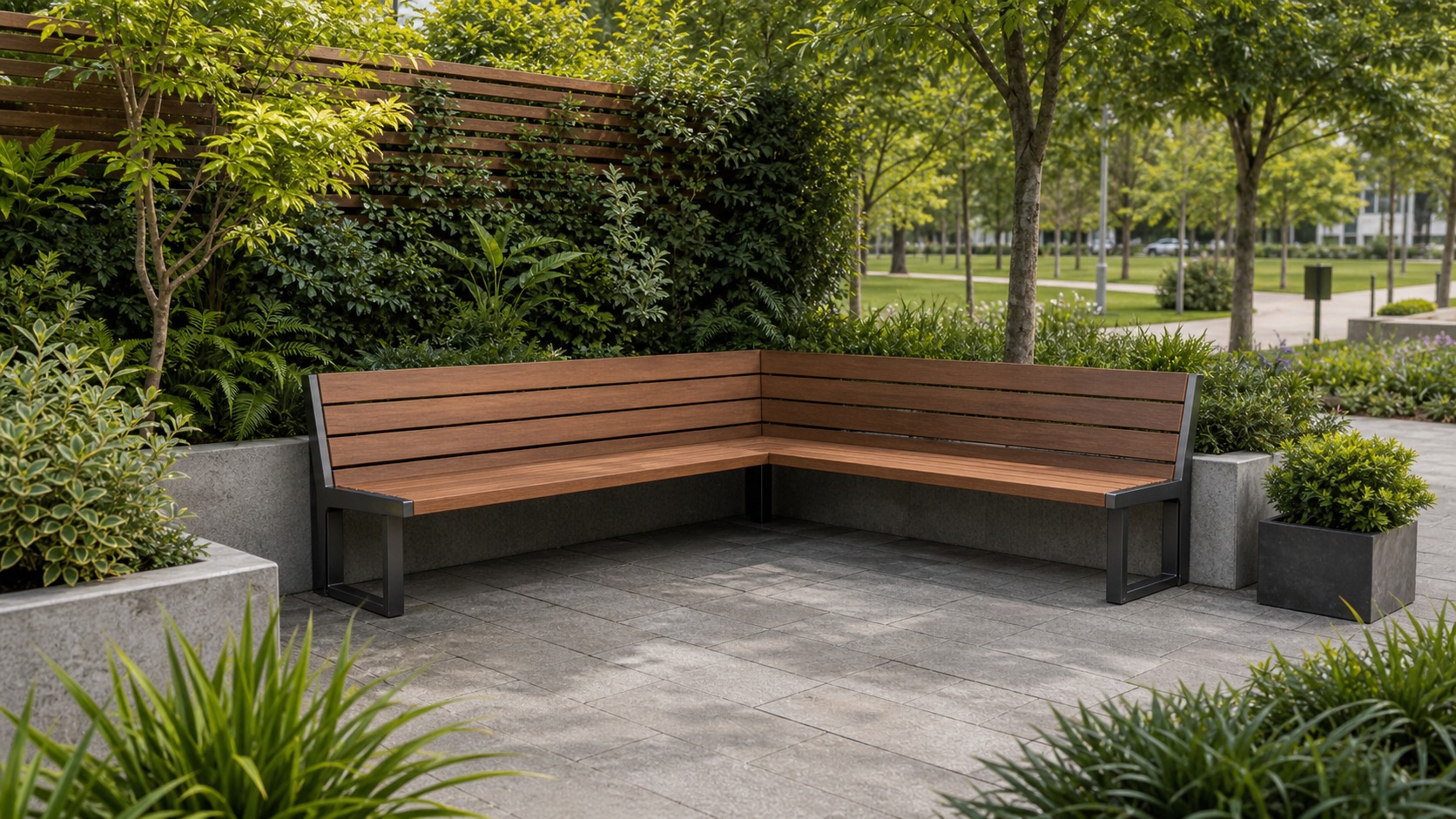
Every old park bench tells a story. The peeling paint, weathered wood, and rusted bolts carry the history of countless conversations, quiet moments, and community gatherings. Yet beneath the wear lies potential. Restoring and refinishing an old park bench is more than a repair project—it is an act of preservation that breathes new life into a piece of history while adding beauty and functionality back into a space. The charm of an aged bench lies in its character, but time and weather can transform charm into neglect. Wooden slats fade, crack, or splinter, while metal frames rust and lose their strength. For many, the instinct might be to replace the bench entirely. However, with patience, the right materials, and thoughtful craftsmanship, restoration can turn an old, forgotten seat into a centerpiece that looks new yet retains its soul.
A: Not always—if the old finish is sound, scuff-sand and overcoat. Strip fully if peeling or moisture-trapped.
A: Consolidate minor rot with epoxy; replace anything that compresses easily or won’t hold screws.
A: Penetrating oil for easy upkeep or spar varnish for gloss/depth (more maintenance). Choose based on look and effort.
A: Powder is toughest but needs offsite blasting/curing; paint is DIY-friendly and repairable.
A: Durable species like ipe, teak, white oak, cedar, or recycled HDPE/composites; match thickness and spacing.
A: Stainless can gall—add anti-seize, slow speed, and don’t over-torque.
A: Oils may need seasonal refresh; varnish 1–3 years before maintenance coat; enamel 3–7 years depending on site.
A: Many coatings need 50–90°F and low humidity; check labels or move work indoors with ventilation.
A: Add an anti-graffiti clear; for wood, prefer finishes compatible with gentle removers.
A: Shim feet, check anchor tightness, add leveling pads, or re-pour small pads for uneven ground.
Assessing Condition Before Starting
Before grabbing sandpaper or a paintbrush, the first step in restoring an old park bench is to carefully assess its condition. This inspection helps determine how much of the bench can be salvaged and what must be replaced. Wooden slats should be checked for rot, deep cracks, or insect damage. If the wood is soft or crumbling, replacement may be necessary. In contrast, if the slats are merely weathered or stained, sanding and refinishing may be sufficient.
Metal frames require equal scrutiny. Surface rust can often be removed, but deep structural corrosion may compromise the integrity of the frame. Bolts, screws, and brackets should be examined for wear and replaced if they no longer hold securely. Sometimes the hardware itself is the weakest link, and refreshing it with stainless steel or galvanized alternatives can extend the bench’s life significantly. The assessment phase is also the perfect time to decide on your vision for the bench. Do you want to restore it to its original look, preserving the historic character? Or do you envision a new finish or color scheme that reflects your personal style? By clarifying these goals early, you’ll shape the process and gather the right tools and materials for success.
Preparing the Bench for Transformation
Preparation is often the most time-consuming part of restoration, but it is also the most critical. A thorough approach ensures the refinishing stage delivers a flawless and lasting result. Begin by disassembling the bench. Remove all wooden slats, unscrew bolts, and separate metal components. This step allows you to work on each part individually, ensuring no surface is overlooked. For wooden parts, sanding is essential. Start with coarse grit sandpaper to remove old finishes, stains, or peeling paint, and gradually move to finer grits for a smooth surface. Careful sanding reveals the natural beauty of the grain and creates a clean base for new stains or sealants. During this step, always wear protective gear to guard against dust and debris.
Metal parts often require wire brushing or the use of a grinder with a wire wheel to remove rust and flaking paint. Rust converters or primers may be applied to stabilize the surface and prepare it for painting. If the frame has intricate details, sandblasting may be an effective solution to reach into crevices. Once cleaned, wiping down all components with a damp cloth removes dust and ensures a pristine surface ready for refinishing.
Refinishing the Wood With Care
Wood is the heart of most park benches, and refinishing it can dramatically transform the look. After sanding, the next step is to decide on the type of finish. A stain enhances the natural grain of the wood while offering color options ranging from light golden tones to deep, rich browns. For outdoor benches, using an exterior-grade stain ensures protection against UV rays and moisture.
If you prefer a painted finish, choose an outdoor enamel or acrylic latex paint designed for durability. Paint offers the opportunity to introduce bold colors, harmonize with surrounding landscapes, or replicate the bench’s original appearance. Whichever option you choose, apply multiple thin coats, allowing each to dry thoroughly before adding the next. This builds a strong, even finish that resists weathering.
Finally, seal the wood with a protective topcoat. Marine-grade varnishes, polyurethane, or water-repellent sealers add a crucial layer of defense against rain, sun, and temperature changes. This protective layer not only extends the life of the wood but also makes maintenance easier in the future. Refinishing wood with care brings back its natural warmth, ensuring the bench feels inviting for years to come.
Reviving the Metal Frame
The metal frame forms the backbone of many park benches, and restoring it properly ensures both strength and longevity. Once rust has been removed and the surface smoothed, applying a high-quality primer is the first step in protection. Rust-inhibiting primers are especially important for outdoor use, forming a shield that prevents corrosion from returning. After priming, paint the frame with outdoor metal paint. Powder coating offers the most durable finish, though it requires specialized equipment. For most do-it-yourself restorations, spray paints formulated for metal provide excellent coverage and convenience. Multiple light coats create a professional look while reducing drips or uneven textures.
Color choice can transform the character of the bench. Black frames offer timeless elegance, while greens or bronzes blend with natural surroundings. Bright colors can bring playful energy to gardens or playgrounds. Beyond aesthetics, the paint forms a protective barrier that enhances durability. With proper preparation and finishing, a restored metal frame can last for decades without significant wear.
Reassembly and the Finishing Touches
Once the wood and metal are refinished, the bench is ready for reassembly. This stage requires precision, as proper alignment ensures stability and comfort. Replace old or rusted hardware with stainless steel or galvanized bolts, which resist corrosion and extend the lifespan of the bench. When securing the slats to the frame, avoid overtightening, which can crack the wood or strip threads in the metal.
Adding finishing touches further personalizes the bench. Engraved plaques or small carvings can transform a restored bench into a memorial or celebratory piece. Cushions, while optional, can add comfort and style for benches placed in residential or garden settings. For public installations, anti-theft hardware or anchoring systems may be necessary to ensure security. Inspecting the finished bench from all angles ensures quality. The wood should shine with even finish, the frame should appear clean and strong, and the overall piece should feel welcoming. At this stage, the bench is no longer an old, forgotten object but a revitalized centerpiece ready to create new memories.
Maintaining the Restored Bench
Restoration does not end with reassembly—it continues with maintenance. Regular care ensures the bench retains its beauty and functionality for years. Wooden surfaces benefit from reapplication of sealants every few years, depending on exposure to weather. Cleaning with mild soap and water prevents buildup of dirt or mold, keeping the bench fresh and inviting.
For metal frames, periodic inspections for chips or scratches are essential. Touching up damaged areas prevents rust from gaining a foothold. Anchors and bolts should be checked annually to ensure they remain secure. These small acts of care extend the lifespan of the bench and protect the work invested in its restoration. Maintenance also provides opportunities to adapt the bench over time. Changing the color, adding a new plaque, or pairing the bench with landscaping enhancements allows it to evolve while still maintaining its essence. In this way, the bench continues to feel fresh and relevant, a living piece of design within its environment.
Giving New Life to Old Memories
Restoring and refinishing an old park bench is more than a practical project—it is an act of renewal. What was once worn and forgotten becomes vibrant and purposeful again, ready to support conversations, reflection, and community life. Each stage, from assessment and preparation to refinishing and reassembly, contributes to the transformation, blending craftsmanship with creativity. The reward extends beyond the finished seat. Restoration fosters sustainability by preserving materials, reducing waste, and respecting the craftsmanship that went into the original bench. It also creates opportunities for personalization, allowing you to shape the bench into something that reflects your vision, whether that means honoring tradition or embracing bold, new style. In the end, an old park bench is never truly old when restored with care. It becomes a bridge between past and future, carrying forward the spirit of the memories it holds while inviting new ones to be made. Through restoration, benches cease to be forgotten relics and instead become timeless companions in the landscapes they serve.