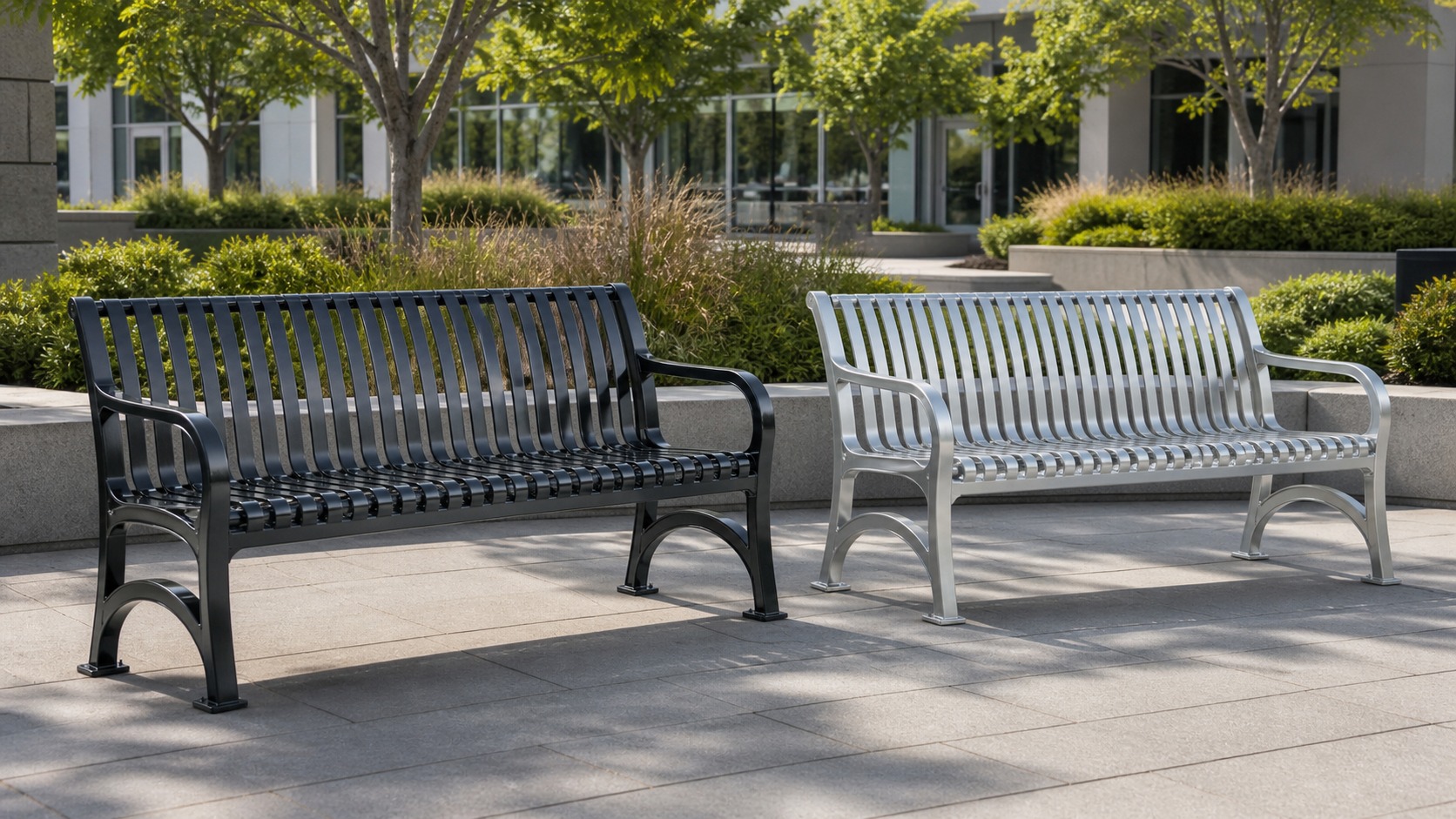
Installing a park bench looks simple at a glance — two legs, a seat, a sunny spot — but a little planning up front saves hours of sweat, expense, and the kind of rework that ruins weekend projects. Think of this phase as choosing the story you want the bench to tell: a quiet reading nook under a maple, a sturdy rest stop along a community trail, or an intentional memorial seat on a civic plaza. Each purpose nudges design and anchoring choices in different directions. Start by clarifying who will use the bench, how often, and whether the bench needs to be vandal-resistant, ADA-friendly, or removable for seasonal maintenance. Combining thoughtful intent with a quick site survey and a simple list of constraints sets the tone for a smooth installation and a bench that looks like it always belonged there. Sketch the area roughly to scale, note nearby utilities and sightlines, and imagine the bench in different positions at different times of day. This is also the time to check local rules: municipal parks departments, homeowner association guidelines, or public works agencies sometimes require permits or specify materials for furniture in public spaces. Being thorough during planning prevents surprises — like an unapproved anchoring type or a bench blocking a required sight triangle for a path — and keeps your project community-friendly and compliant.
A: Mechanical wedge/sleeve anchors—fast, reliable, and loadable immediately after torqueing.
A: Do not anchor to pavers alone; core through to a concrete sub-slab or add discrete concrete piers beneath.
A: For close edge distances, cracked concrete, or high loads—follow ICC-ES approvals and cure times.
A: Loosen, re-shim with HDPE/neoprene, verify level, then re-torque to spec.
A: Use concrete pedestals/piers set through the asphalt; asphalt alone lacks pull-out resistance.
A: SDS-Plus/Max carbide for most holes; diamond core if rebar is likely or precise diameters are required.
A: Common minimum is 1.5–2.5 in (38–64 mm) from edge; follow anchor manufacturer limits.
A: Recommended in freeze-thaw or de-icing regions to keep water/salts out and protect the substrate.
A: After full cure—ranges from ~30 minutes to several hours depending on temperature/product.
A: Use anti-seize on stainless hardware to prevent galling; thread-locker only if approved by the bench vendor.
Finding the Perfect Spot: Site Selection and Preparation
Site selection influences not only user comfort but also anchoring strategy. A bench on compacted soil near a footpath will require different foundations than one on a paved plaza or a boardwalk. Consider things like slope, drainage, soil type, and proximity to utilities. A bench placed in a low spot that collects water will suffer faster corrosion and could undermine a shallow anchor. Conversely, a bench at a low-visibility corner or too close to a roadway may invite vandalism or create safety issues. Walk the proposed area at different times of day to observe sunlight, foot traffic, and whether the spot becomes muddy after rain. Where trees are nearby, root systems can interfere with in-ground anchors and concrete pads; account for root protection and avoid heavy excavation that might damage a tree’s critical root zone.
Before any digging begins, call the local utility notification service to mark underground utilities. This is non-negotiable for public or private land; striking a buried line is dangerous and expensive. Clear and level the immediate footprint, removing loose debris, roots, and vegetation. If the bench will sit on turf, consider the long-term maintenance of the ground beneath the seat: installing a durable ground surface such as compacted gravel, paving stones, or a concrete pad around the bench will reduce erosion and wear patterns and make mowing and trimming easier. These site preparations ensure the bench’s base stays true and will help your anchors perform as expected.
Gather Your Arsenal: Tools, Materials, and Permits
A successful bench installation is part materials procurement and part choreography — having the right tools at the right time keeps the work flowing. Typical tools include a tape measure with a long reach, contractor’s level, post hole digger or auger for in-ground anchors, shovel, wheelbarrow, tamper for compacting base materials, drill with masonry and metal bits, socket set, torque wrench for final anchor tightening, concrete mixing equipment or bags for small jobs, and personal protective equipment such as gloves, eye protection, and hearing protection. If you plan to secure surface mounts into concrete, a hammer drill and appropriately sized anchors are essential. For installations on pavers or asphalt, consider specialized anchors and adhesive systems designed for those substrates.
Materials vary by anchoring method: stainless steel or hot-dip galvanized anchor bolts and hardware for long life; ready-mix concrete or high-strength rapid-setting concrete for anchors and pads; compactible base aggregates for leveling; and, of course, the bench itself, which may come with manufacturer-specific mounting plates or anchors. If your bench is a memorial or will carry a plaque, factor in replacement parts, fasteners that accept tamper-proof tools, and a plan for future plaque maintenance. Check permit requirements early — some municipalities require engineered plans or inspection for benches in public rights-of-way — and secure any necessary approvals before you buy materials or begin excavation. Being prepared makes installation faster and avoids costly mid-project adjustments.
The Foundation Debate: Surface Mounts, In-Ground, and Concrete Pads
Choosing the right anchor system is where design meets engineering. Surface-mounted benches, attached to an existing concrete slab or pavers with expansion anchors or epoxy anchors, are less invasive and easier to remove for repairs or seasonal storage. They are ideal for plazas, boardwalks, or existing sidewalks where drilling into stable, thick concrete is feasible. Surface mounts minimize excavation and are a strong choice when you want the bench to be fixed but not permanently buried. However, their performance depends on the integrity of the slab: a cracked or thin slab will not hold expansion anchors reliably.
In-ground anchors require posting bench legs into concrete footings poured below frost depth in colder climates. This approach offers superior resistance to lateral loads and vandalism, making it common in parks and along trails. When properly detailed, in-ground anchor footings prevent benches from rocking and can survive decades of heavy use. The trade-off is that they require excavation, proper formwork, and thoughtful consideration of drainage to prevent freeze-thaw damage.
A concrete pad provides a middle ground: a shallow slab poured where none existed before that can accept surface-mount hardware. This method is excellent for creating an intentional seating plaza, providing a clean, durable surface around the bench that resists wear and is easy to maintain. If aesthetics matter, a poured pad can be finished or stained to match surrounding paving. Each method demands attention to drainage, frost heave, soil-bearing capacity, and local codes; consulting a knowledgeable supplier or municipal guidelines will help you pick the best option for longevity and user experience.
Step-by-Step Anchoring: From Layout to Final Bolt
This is the hands-on heart of the project. Begin by laying out the bench footprint and marking anchor locations with spray paint or stakes. Confirm clearance on all sides so the bench does not encroach on pathways or accessibility zones; for benches intended to be ADA-accessible, check that adjacent spaces and approach routes comply with required clearances. If you are replacing an old bench, study the previous anchor pattern; existing holes can be reused if they’re sound and align with the new bench. With the layout confirmed, gather helpers — benches are heavy, and two sets of hands make alignment and lifting safer.
If installing in-ground footings, dig holes at the marked anchor locations to the required depth. For most climates, footings should extend below frost depth to prevent heaving; local building guides will specify specifics. The hole should be slightly wider than the footing to allow for proper forming. Add a few inches of compacted gravel at the bottom for drainage, then set forms and place any anchor sleeves, J-bolts, or embedded plates per the bench manufacturer’s template. Pour concrete to the specified level and finish the top so that the anchor plates will sit flush. Allow the concrete to cure — a rapid-setting mix can reduce wait time, but ensure the anchor hardware achieves the manufacturer’s recommended cure time before loads are applied.
For surface-mounted benches on existing concrete, carefully drill the anchor holes using a hammer drill and a masonry bit sized to the anchors. Clean each hole thoroughly: use a shop vacuum or compressed air to remove dust, then test-fit anchors. When using epoxy anchors, follow the manufacturer’s mixing and insertion instructions precisely, injecting epoxy to the recommended depth and allowing the correct curing time. For expansion anchors, ensure the hole depth and diameter match the anchor specifications and that you tighten them to the recommended torque.
If you’re using a concrete pad, screed and finish the slab to a level that will accept the bench while allowing water to drain away from the seat. Once cured, align the bench’s mounting plates over the anchor points and fasten with the supplied bolts. Use a torque wrench to tighten anchors to the specified torque to avoid under- or over-tightening; over-tightening can strip threads or crack concrete, while under-tightening can allow movement that loosens anchors over time. For benches with welded frames, double-check alignment and use shims where necessary to ensure the seat sits level and comfortable.
Throughout installation, pay attention to vertical and lateral alignment. A bench that sits twisted or pitched forward invites premature wear and unhappy users. Step back periodically and test for rocking or flexing by applying pressure at different points. When the bench is installed, seal exposed threads with non-corrosive caps or sealant to keep moisture out, and use tamper-resistant hardware if theft or vandalism is a concern. Finally, clean the work area and remove any excess concrete splatter, hardware, or packaging; a tidy finish makes the bench feel like a deliberate part of the landscape.
Finish Line: Surface Treatments, Landscaping, and Accessibility
A bench’s success isn’t just structural; it’s aesthetic and functional. After anchoring, give attention to finishing touches that make the seat inviting and durable. If the bench is metal, consider a protective powder coat or rust-inhibiting paint that suits the local climate. Wooden slats may benefit from an appropriate outdoor-grade sealer or oil that highlights grain while resisting moisture. Where plaques or engraving are part of the design, ensure they are mounted using corrosion-resistant fasteners and located so they do not interfere with seating or cleaning.
Landscaping around the bench completes the user experience. Mulch beds, low-maintenance groundcover, or a ring of compacted gravel both define the seating area and reduce mud tracking. If the bench sits along a trail, a clear approach path of compacted crushed stone or paving makes access easier for strollers, wheelchairs, and maintenance vehicles. Consider bolstering the area with low plantings that provide seasonal interest without blocking sightlines or creating hiding spots. Lighting can extend usable hours and increase safety; a low-profile pathway light or nearby lamp post, placed thoughtfully, creates an inviting glow without glare.
Accessibility is a core part of bench design and placement. Ensure there is adequate flat approach space and that any adjacent paved areas are flush with the seating surface. If the bench is intended for a public space, review ADA guidelines for accessible seating and clear floor space to ensure compliance. These finishing touches are not merely cosmetic — they determine whether people will choose to sit, linger, and return.
Keep It Safe: Maintenance, Inspections, and Legal Considerations
Anchoring a bench correctly is step one; keeping it safe and serviceable is an ongoing commitment. Establish a simple inspection routine: check anchors and hardware for signs of corrosion, loosening, or movement twice a year and after major storms. Tighten bolts to manufacturer specifications and replace fasteners that show pitting or thread damage. For benches with wooden components, plan for refinishing on a schedule that suits your climate; untreated wood can degrade quickly under wet conditions. Metal benches may need touch-up paint or replacement slats over time. Maintain the surrounding ground surface to prevent water pooling and to preserve the integrity of footings.
From a legal perspective, responsibility for inspection and maintenance depends on ownership. Public entities typically have formalized maintenance schedules and liability considerations, while private landowners should document inspections and repairs to reduce risk. If a bench has commemorative or donor inscriptions, establish who is responsible for long-term upkeep in writing to avoid confusion later. Consider installing discreet signage that indicates who to contact for reporting damage or concerns; a single contact point expedites repairs and keeps the bench safe for all users.
A final point on safety: design for anticipated use. A bench in a playground zone might need different anchoring and materials than one in a commuter plaza. If you expect heavy or unusual loads — for example, bikes propped against the back or skateboarding near the structure — choose an anchoring detail that resists those forces. When in doubt, consult an engineer or a reputable supplier; a little professional advice up front can prevent expensive retrofits and keep the bench standing proud for years.
From Blueprint to Beloved Bench: A Short Celebration
A well-planned bench becomes more than a place to sit; it becomes a landmark, a place of conversation, reflection, and community. Thoughtful site choice, correct anchoring, and respectful finishing make the difference between a temporary seat and a lasting piece of civic furniture. By taking time to plan, procure the right materials, execute careful anchoring, and commit to maintenance, you create a seat that welcomes people and weathers seasons gracefully. Whether you’re installing a single bench in your garden or outfitting a row along a busy trail, these steps will help you deliver a safe, comfortable, and beautiful place to rest — one bolt at a time.